Adapting Triathlon Training for Pregnancy
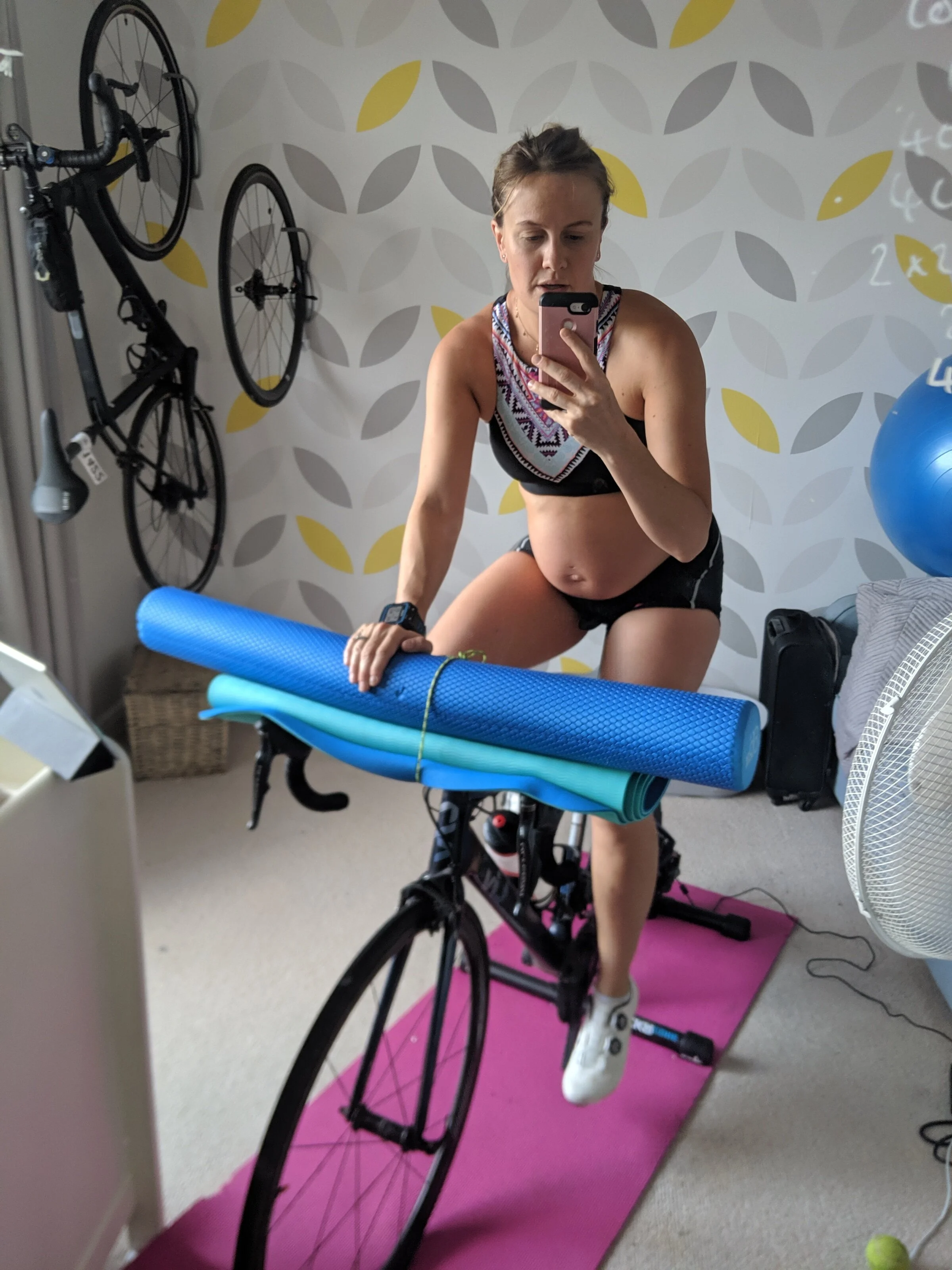

The biggest change during pregnancy, for me, was adapting my lifestyle. Training is an integral part of my lifestyle, it’s what I do to make me feel good - mentally and physically. Weekends revolved around long cycles out to the countryside with my husband and friends , meeting friends in the pool for some laps and coffee or a light jog around London. I cycle everywhere around London - to meet friends, to clients. Suddenly I had another human to consider throughout my training. I still wanted to train, but the focus was now doing it safely, adapted towards pregnancy and keeping a healthy strong body.
To grow a healthy baby your body requires energy (calories). You want to conserve that energy. It’s a balance of continuing to train/exercise, without too much intensity or duration that it could zap the energy needed to build a baby. This can feel difficult for seasoned triathletes who, on a daily basis, push their bodies in a bid to train for performance. Pregnancy isn’t a time for smashing your sessions, listen to your body, work with your body, adapt your training for ‘training for pregnancy and mumhood’, train for consistency rather than improved performance. Giving birth is the new ‘triathlon’ you are training for now.
I’ve compiled all my top tips based on my knowledge as a pre and post natal personal trainer, research from qualified publications and my experience.
Avoid training in heat, your baby can’t yet control their heat. Avoid anything like hot yoga and exercising in hot weather.
Heart rate zones - The general advice is to avoid high intensity training. I stuck to only Zone 2. If you can’t hold a conversation comfortably, you are pushing potentially too hard. Avoid threshold, V02 max zones, and working anaerobically.
Adaptations to swimming - check my pregnancy swimming blog out.
Road Cycling Vs Stationary Cycling - As your bump grows balance is compromised. You may also feel unsafe on the bike, there is the obvious risks of cycling on the roads. It’s a personal choice. I chose not to not do long rides from 2nd trimester onwards. Opt for turbo or wattbike sessions instead.
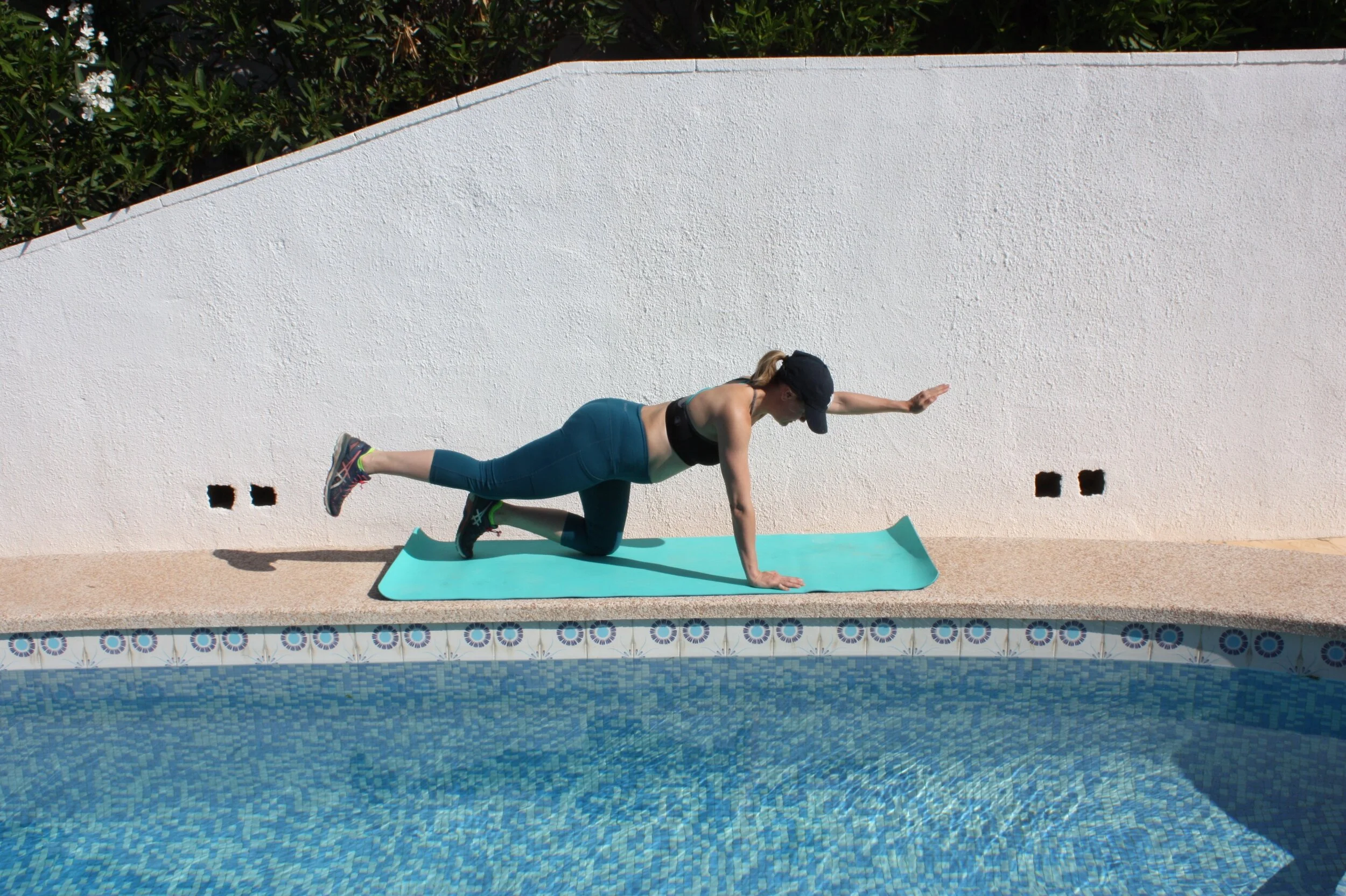
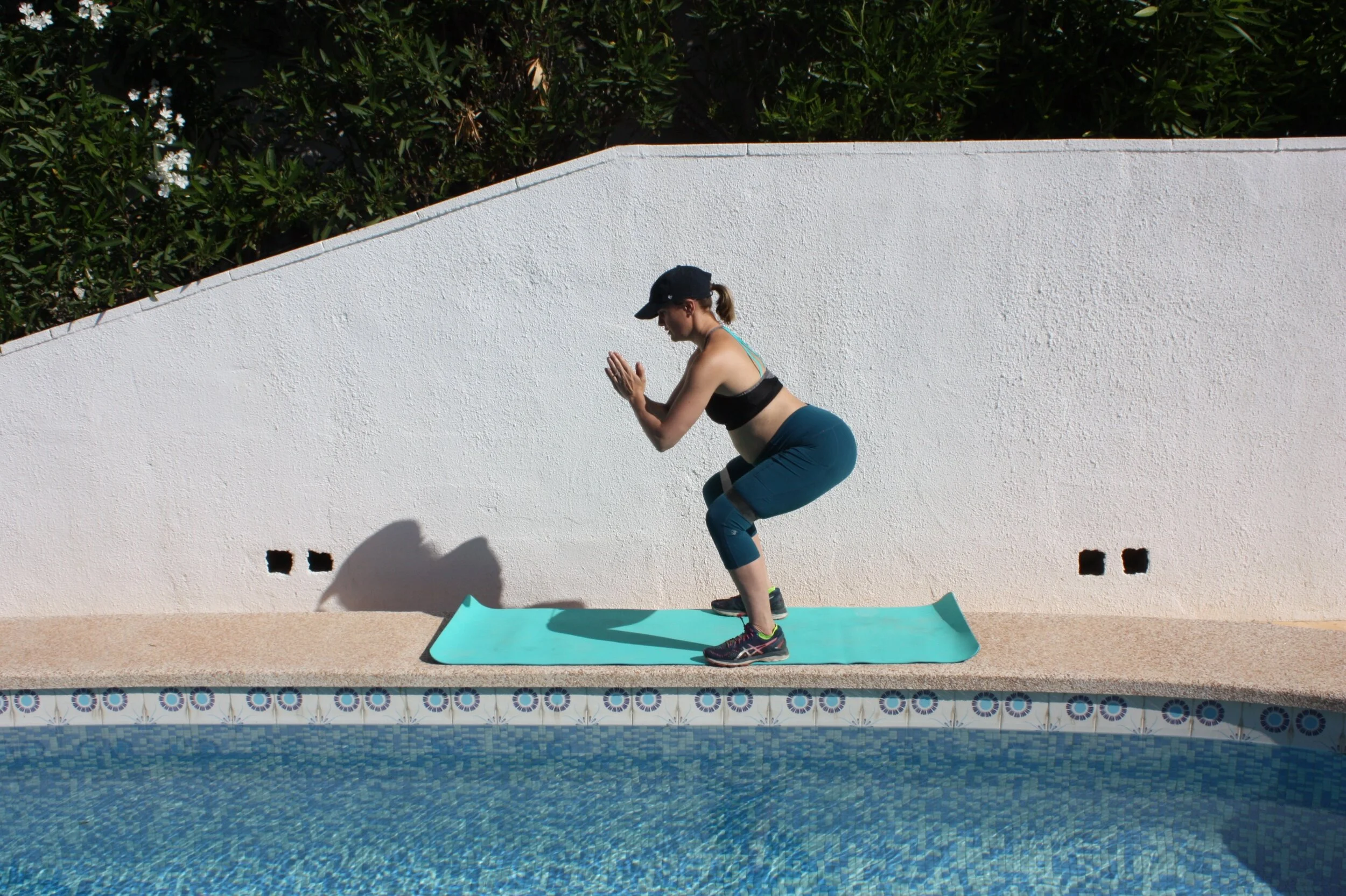
Keep your strength & conditioning up. Some functional triathlon S&C exercises can be adapted to pregnancy S&C. You want to be focussing on posterior chain exercises to strengthen the upper back, glutes and hamstrings. This is for two reasons 1) with the bump your posture is compromised so you want to counteract the changes with a strong upper back and glutes to support the bump. 2) As a new mum posture is even more altered from everyday ‘mum’ activities such as holding baby/breast feeding.
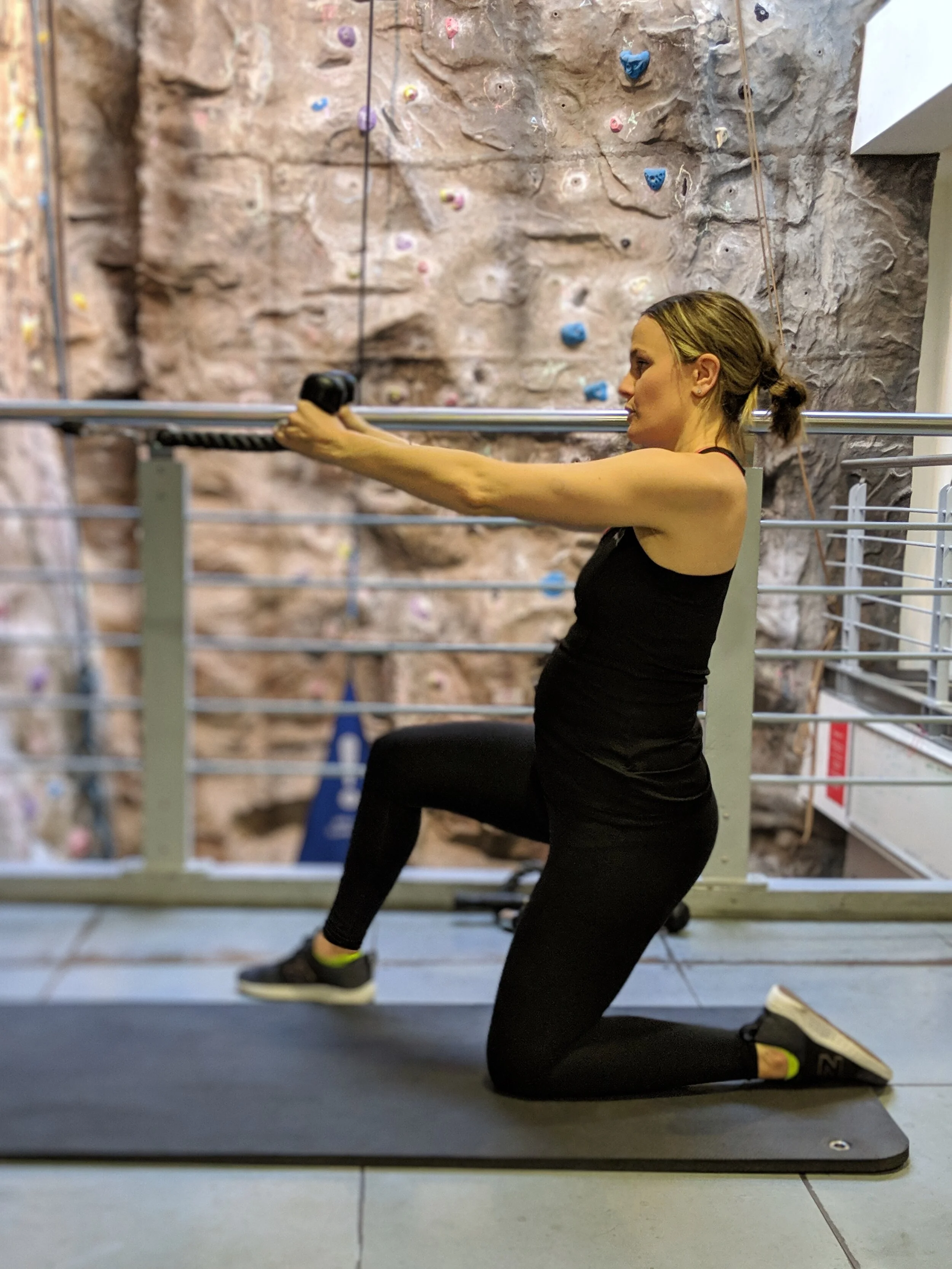
Functional Mum Movement Patterns - Squat, lunge, push, pull, bend to extend, rotate, balance.
Listen to your body, work with your body. Don’t push on, push your limits. If you are feeling tired, rest.
Avoid high altitude training or hypoxia (training without O2) - therefore any exercise holding breath restricts decrease blood flow to the uterus. Also goes for high intensity any anaerobic exercise (without o2).
Running - Again, do what makes you feel good. The growing weight of the uterus and foetus means more pressure on the pelvic floor muscles. I personally stopped running at the end of trimester 1 as it just didn’t feel comfortable. But others have run into their 3rd trimester. My biggest piece of advice would be to question what’s your priority at the moment and what feels good?
Strength training
It’s key to pay attention to technique and safety during S&C training due to the presence of the hormone relaxin in the joints. Relaxin is present to relax and soften your pelvis in preparation for birth. However it is unable to be sent to just one joint, so it’s present across all joints in the body, it makes the body more unstable therefore pregnant ladies are more susceptible to injury.
If there is a feeling of muscle strain or excessive fatigue, exercises should be modified to avoid injury.
Avoid strength training with really heavy weights, and especially avoid the Valsalva manoeuvre (holding breath) which puts excessive pressure on your pelvic floor.
When performing a heavy ‘lift’ contract the pelvic floor muscles by exhaling. This counteracts increased intra-abdominal pressure (on the abdominals and pelvic floor).
considerations & Adaptations per trimester
First Trimester
Carry on with your normal training, as long as you feel ok, you are having a normal pregnancy with no complications and your health care provider has approved you to continue exercising.
You’ll be feeling more tired and potentially sick, so listen to your body, rest. This isn’t a time to be pushing it.
Avoid training in heat or in a hot country
Avoid training high intensity.
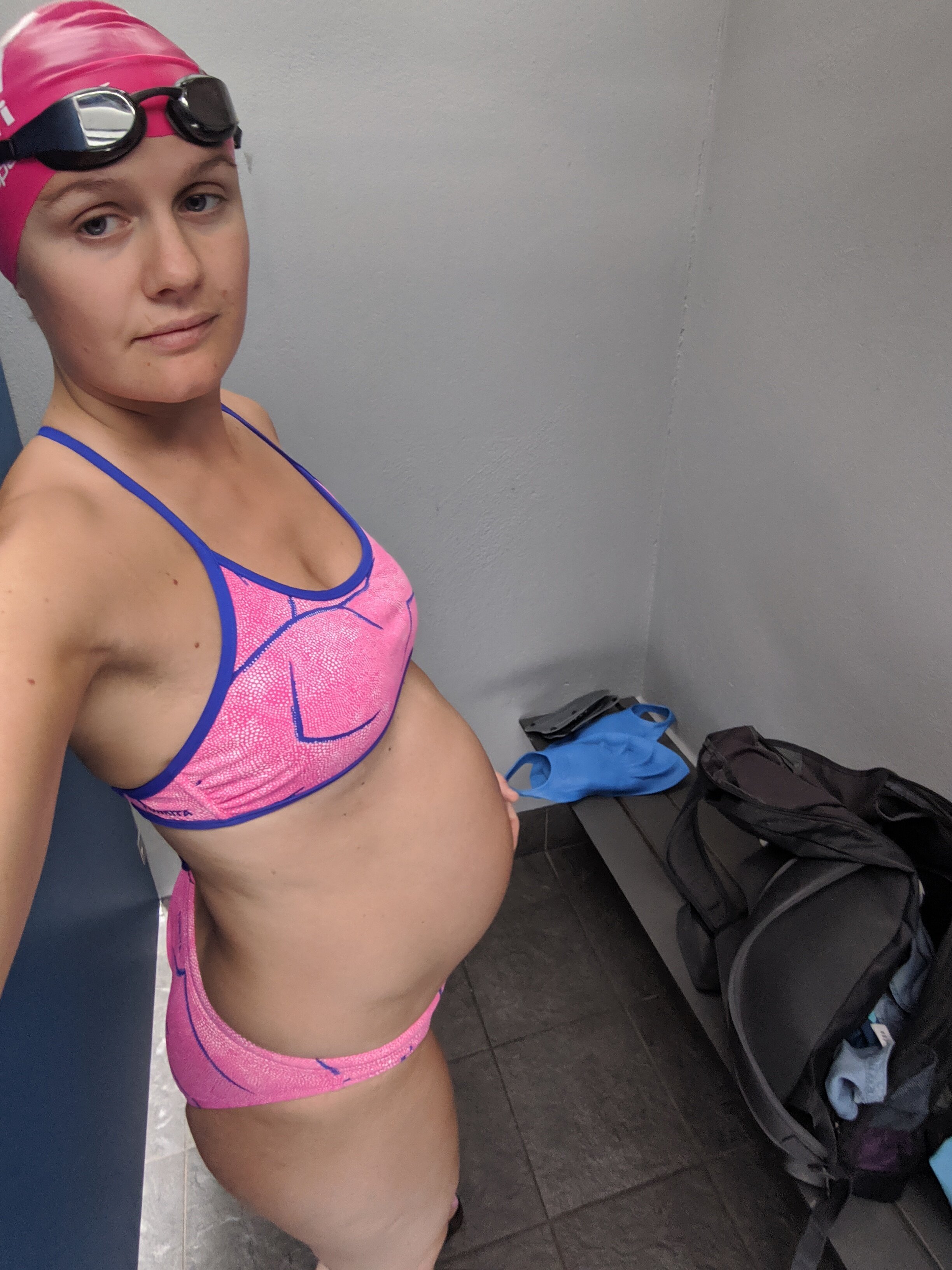
Second trimester
Avoid crunches for abdominal exercises which can compromise or accentuate the abdominal separation and put pressure on intra abdominal
Avoid lying on back exercises. The weight of the uterus puts pressure on vessels blood pumping back to heart.
Joint instability from the hormone relaxin puts your body at a higher risk of injury, be incredibly mindful when doing strength exercises that your joints are more unstable.
Focus on balance S&C exercises, as the centre of gravity changes with the growing bump.
For abdominal exercises focus on the TVA (transverse abdominis) these are the deep abdominal muscles. Exercises such as bird dog.
Breath work. Exhale on the “effort” so the push, pull, squat up etc. Exhale & engage TVA & pelvic floor.
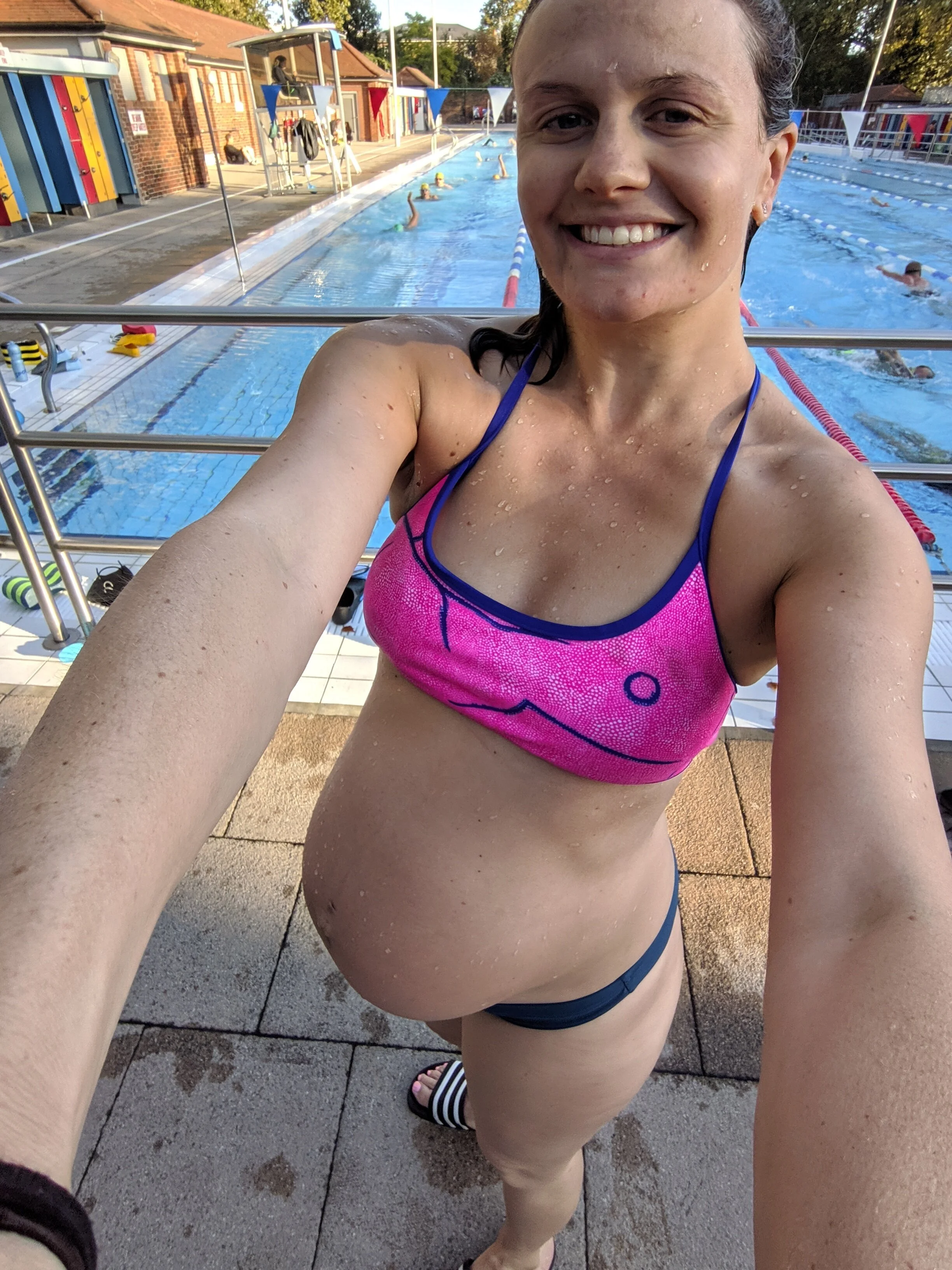
Third trimester
Focus on pelvic floor exercises, especially functional with movements. ‘Gather’ and draw up pelvic floor muscles on the ‘effort’ of the exercise… for example the push or pull.
Focus on glute and upper back strength work outs to benefit mum-based movements (picking up baby, pushing pram, holding baby etc.)
Swimming is a fantastic, non-weight bearing sport. So carry on swimming all the way up to labour, if it feels good.
Running in 3rd trimester is definitely a personal choice, work with your body and how you feel. Remember with each step, the body takes 3 x your body weight force. Include your extra baby bump weight and pressure on your pelvic floor, your pelvic floor will endure more pressure. So it is time to consider the benefit of running in the 3rd trimester.
Cycling in 3rd trimester, definitely stationary cycling is recommended. Cycling outdoors, the balance might be compromised slightly with the growing bump, so it might be more difficult.
If you still want to get a decent workout without running try an uphill treadmill hike.
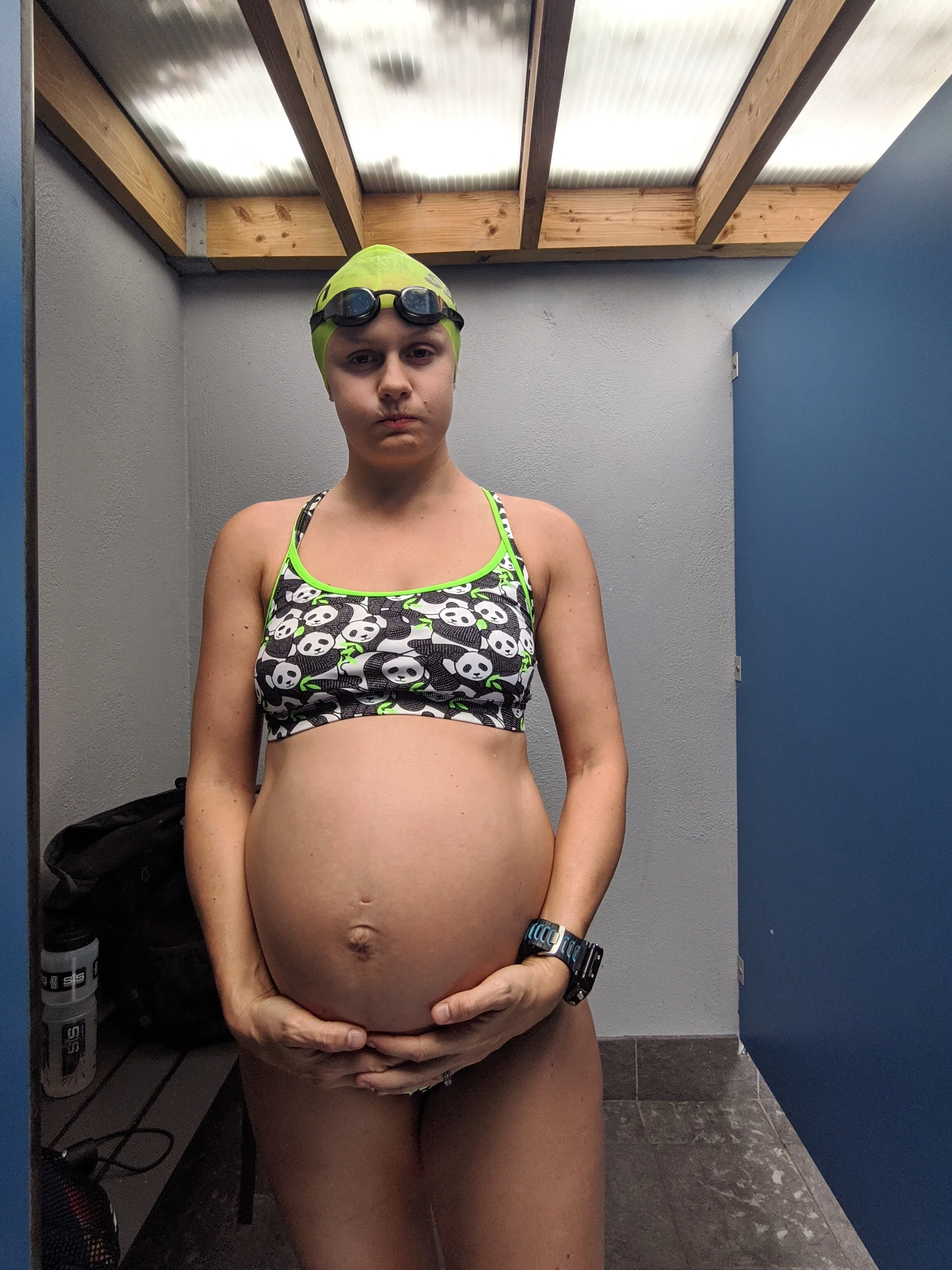
Listen to your body, work with your body. Don’t push on, or push your limits. If you are feeling tired, rest.
Useful Qualified Articles for Advice on Training Whilst Pregnant
Exercise in pregnancy! - American Journal of Obstetrics & Gynecology
NHS - Exercise during pregnancy
British Journal of Sports Medicine - Is it safe to exercise whilst pregnant
BMJ - Exercise and pregnancy in recreational and elite athletes - athletes looking to get pregnant