Triathlon Training Tips for Beginners
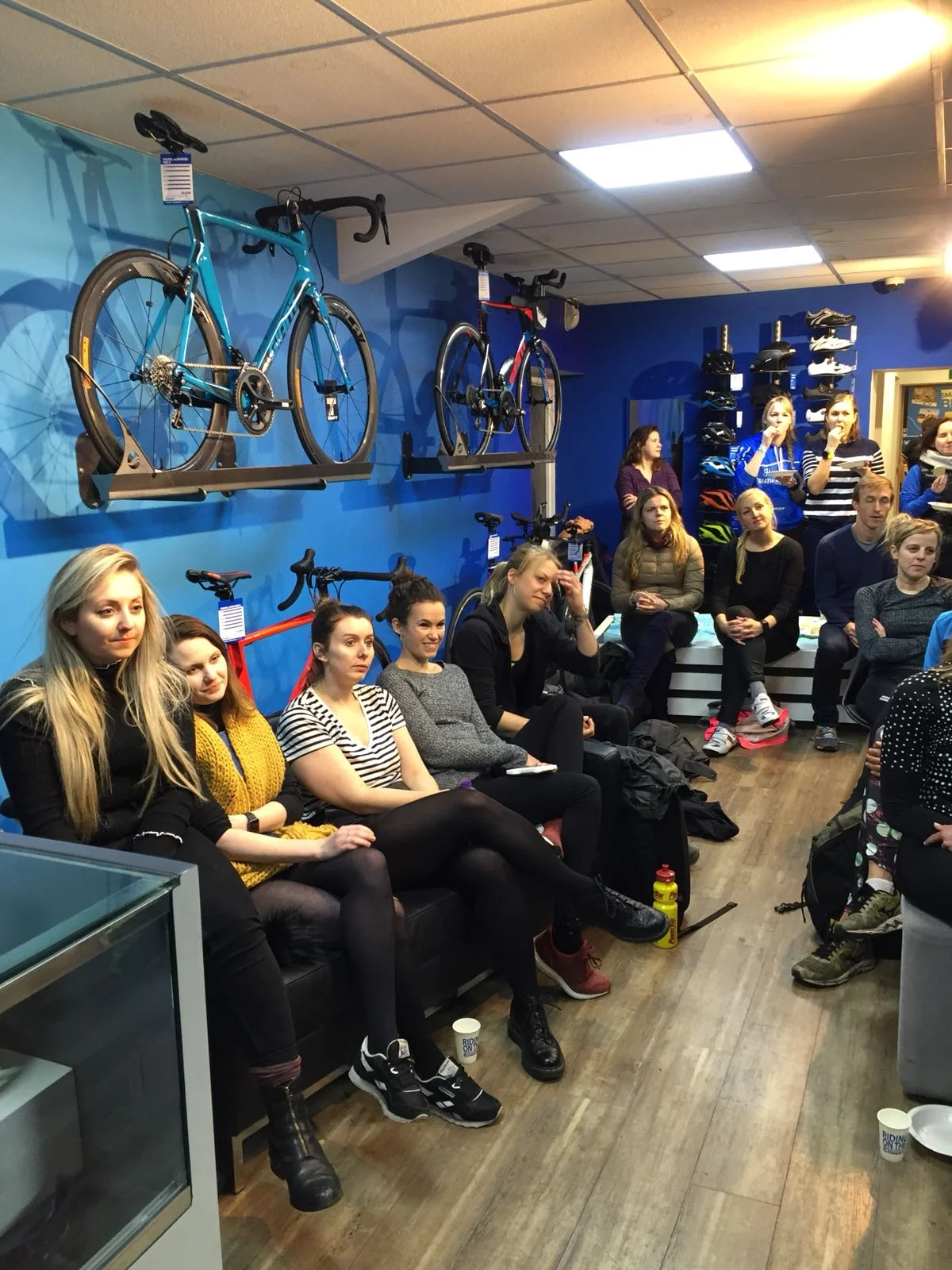
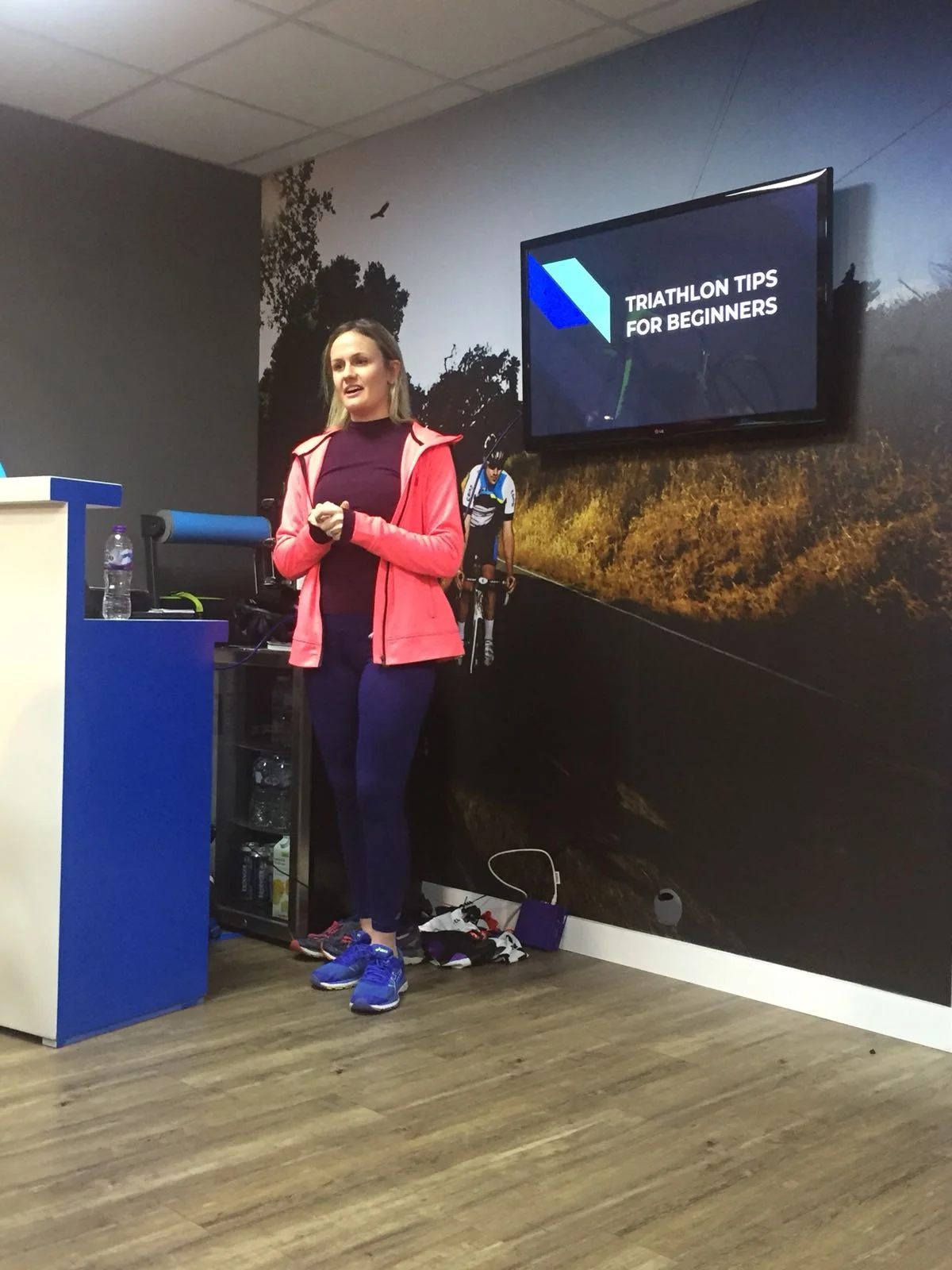
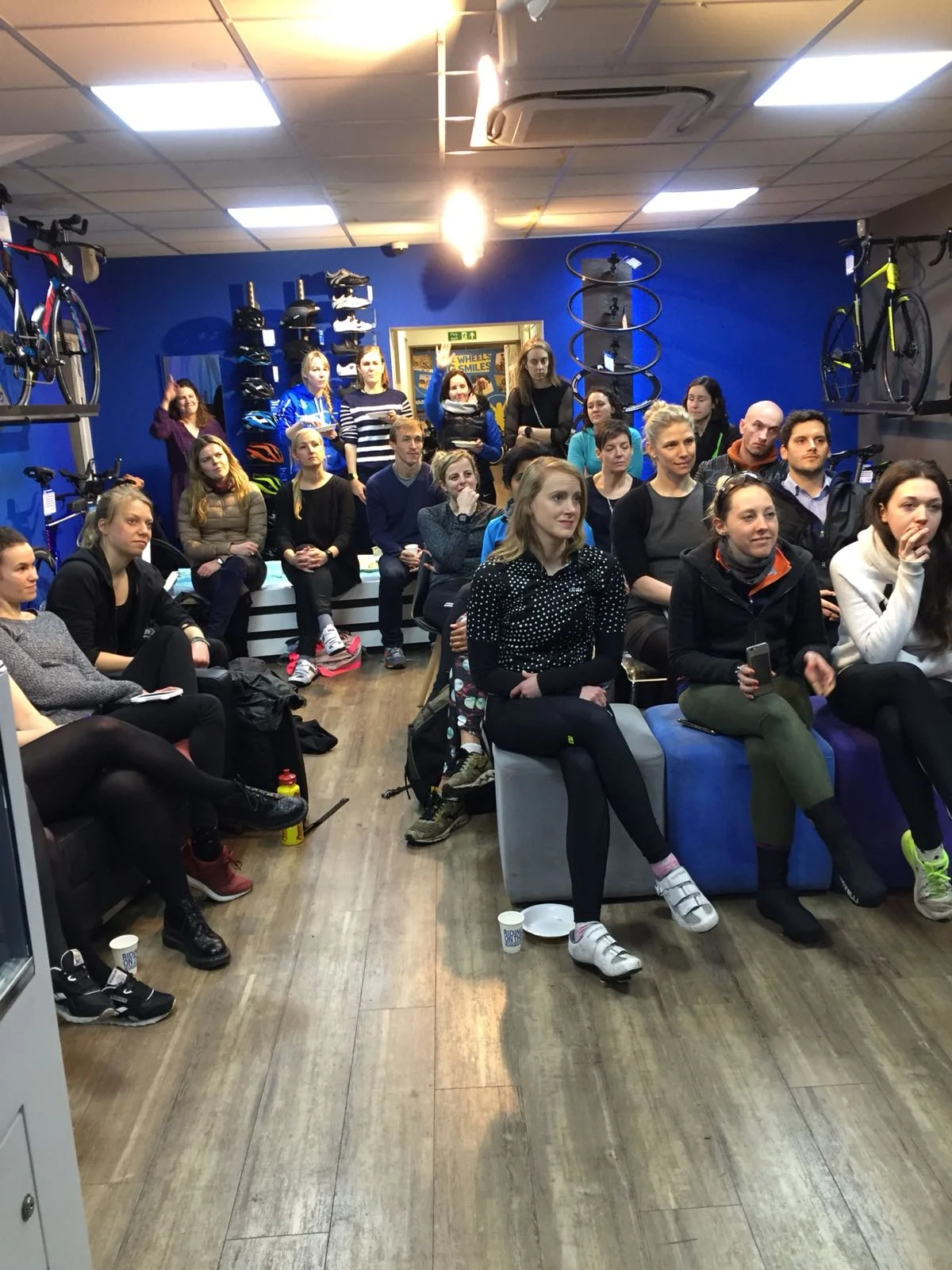
Last week I was invited into the Giant Camden store by the lovely owner Nick, and spoke on triathlon tips for beginners. Here I've compiled the presentation into a blog post to help you with your triathlon this year, I hope you find it useful! Here are the points I will cover:
Considerations for picking your triathlon
Considerations for picking your triathlon
Whilst some people don't want to know what they are letting themselves in for, I've listed the key things to look out for when deciding on a triathlon event to enter:
Distance - There's no reason not to enter a long distance triathlon such as middle, or long distance as your first triathlon (I know people who have). I'd recommend trying out a sprint or Olympic distance first to give you a good feel of the events.
Climbing - Check out how much climbing there is on the ride, and also how hilly the run in. You'll need to consider incorporating the same amount of hills during your training. Where some people would prefer flat routes others may like a mixture or hilly and flat. If you are a strong climber it's worth including a race that incorporates hills, but remember it could affect your overall time. Hills often mean, amazing views at the top.
Run on or off road - It's also worth looking at the run route and whether you'll be running on the road, off road or a mixture too.
Laps - Often for long course triathlons the run route incorporates many laps. This can be a positive or a negative for people. It means you'll have more chances to see your spectators which is fab for motivation, but some some don't enjoy running laps and potentially takes more motivation.
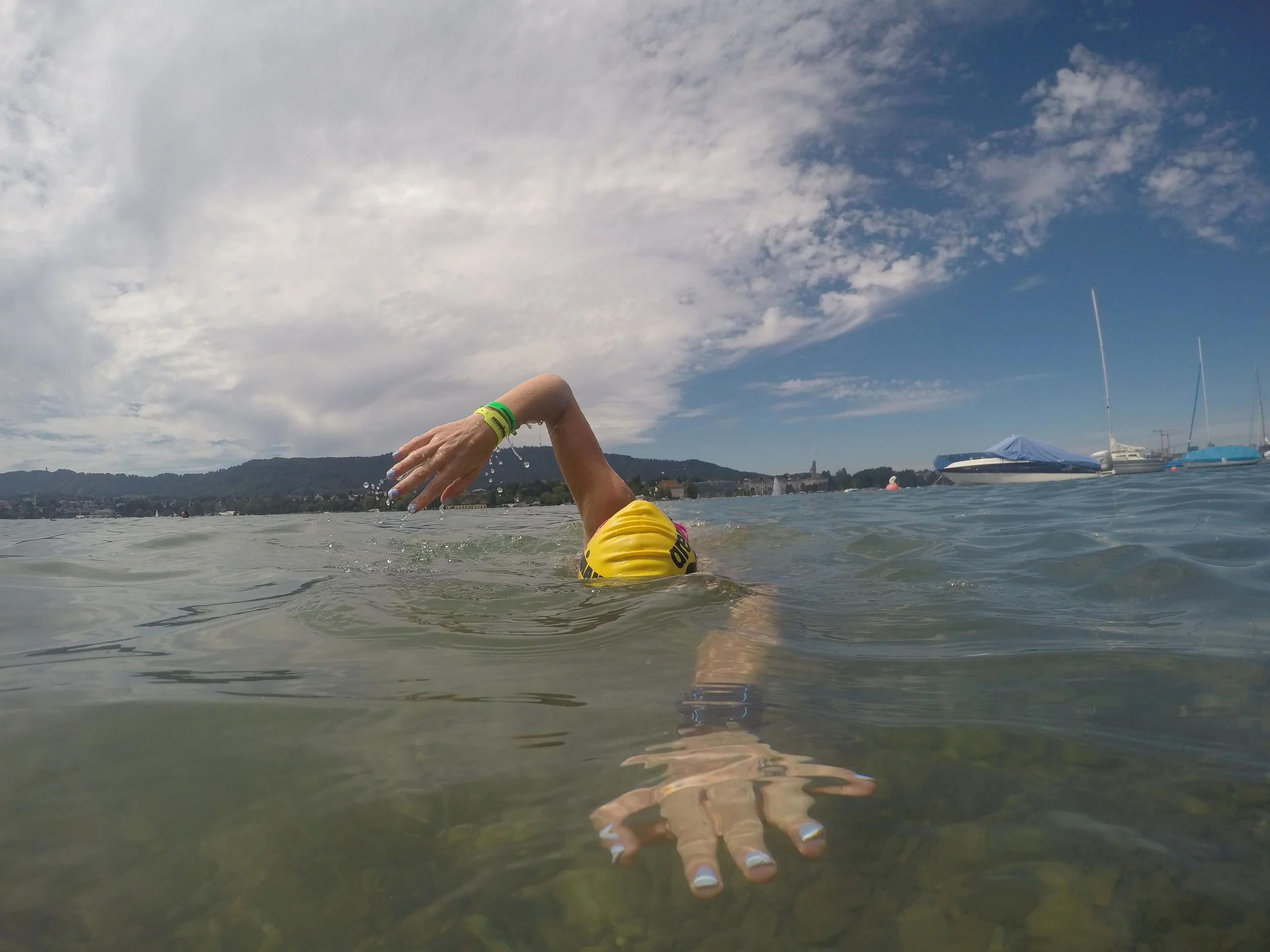
Open swim or pool swim? You'll need to practise swimming in open water to get a feel of the sensations, it's very different to that of a pool swim.
Timing - Consider how long you will need to train for the race. If it's a longer course, you may need 6-12 months of training, so consider what season/weather you will be training in.
Location - Triathlon is a great way to see the world. There are races all over the world and in some beautiful places. My personal opinion is if you are training hard for a triathlon, why not race somewhere spectacular or a part of the world you haven't seen? Of course this means you'll need to pay for travel, travelling with your bike, accommodation so you'll have to consider your budget.


Key Tips for triathlon training
Cut through the complexity of triathlon. If you are a beginner, it can be overwhelming. There are three sports, many acronyms for training, learning the parts of a bike and how to maintain it... and more! Remember you are training your body so that it can swim, bike, run for the specified distance. Bring it back to the basics when you feel overwhelmed by it all! Just focus on training hard, to make the race day as enjoyable as possible.
Have fun! Remember that you've paid to do this triathlon, you are choosing to take the time to train, and to race. Write down WHY you decided to enter a triathlon and keep referring back to it when you need that extra bit of motivation. Keep focussed on your end goal. For instance, are you entering your first ever triathlon, or getting over a fear of open water swimming? Maybe you are doing it to raise money for charity. Or you're trying to learn how to cycle but great at swimming and running? It really is about the journey. There will be tough training sessions, but there will be absolutely fantastic training days where you feel progress, meet amazing people and feel on top of the world. Create adventures on your bike, plan a route somewhere fun such as Brighton, Cambridge, or out to the countryside. Swim in new pools you haven't swum in before, run somewhere you haven't before. If you are in London, it's a great way to discover new parts of London.
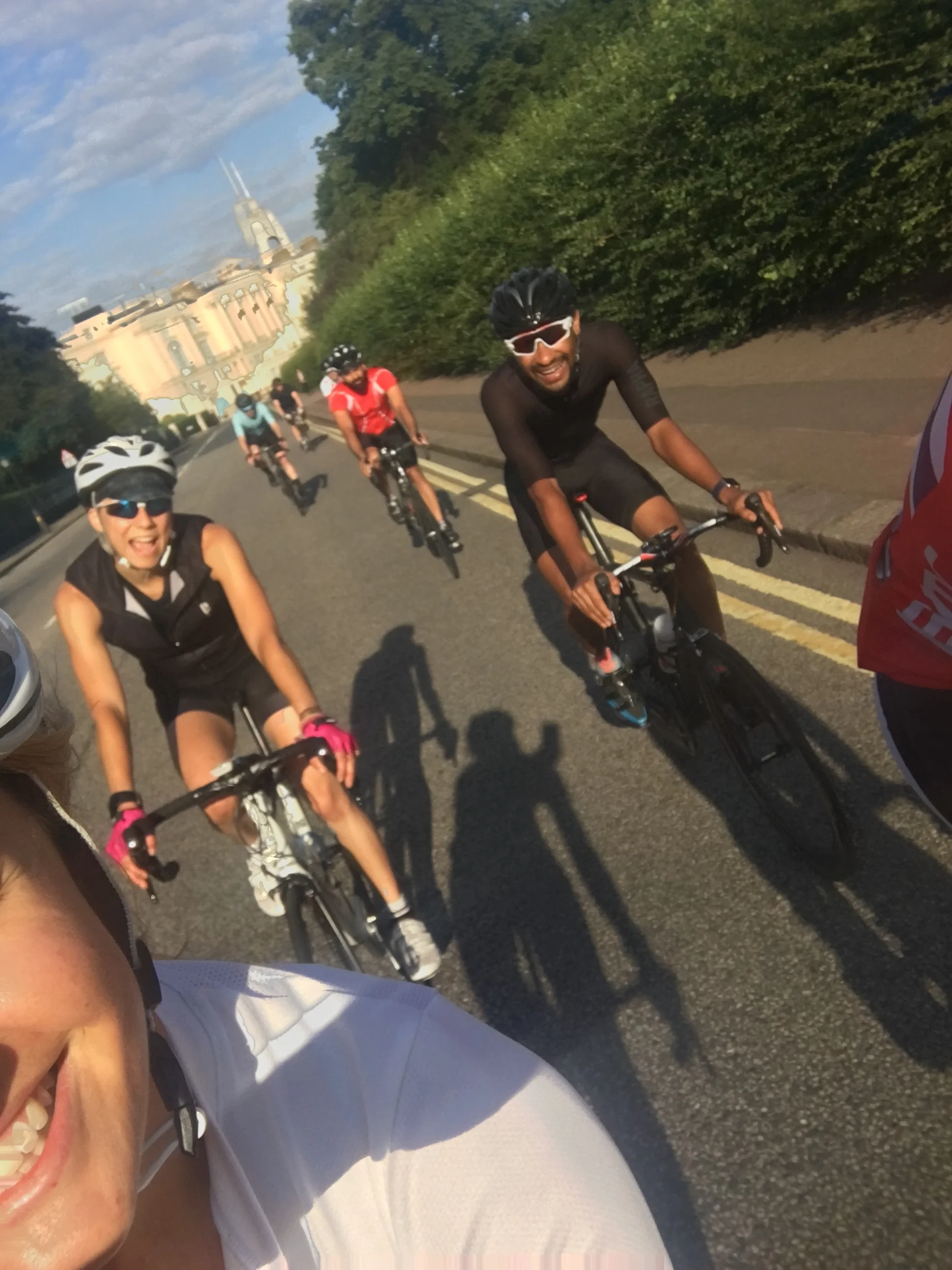
Join a club or community. By joining a club or community you'll instantly make new friends with similar interests. It's a perfect way to pick up tips and hints to help your technique, especially if you attend coached sessions where a coach can tweak your technique in swim run or bike. You are training for three sports so will be spending a lot of time training, why not find friends to do it with?
Focus on your weaknesses. It's easy to do more of what you love or are good at, but focus on doing an extra weekly session on your weakest discipline could actually make it one of your strongest if you work on it enough! If swimming is your weakest, get a coach to look at your technique and give you some good scheduled sessions. There are many coaches out there, have a look at your local club whether it be a tri club, swim, cycle or run specific club.
Key Weekly Sessions:
1. Swim -
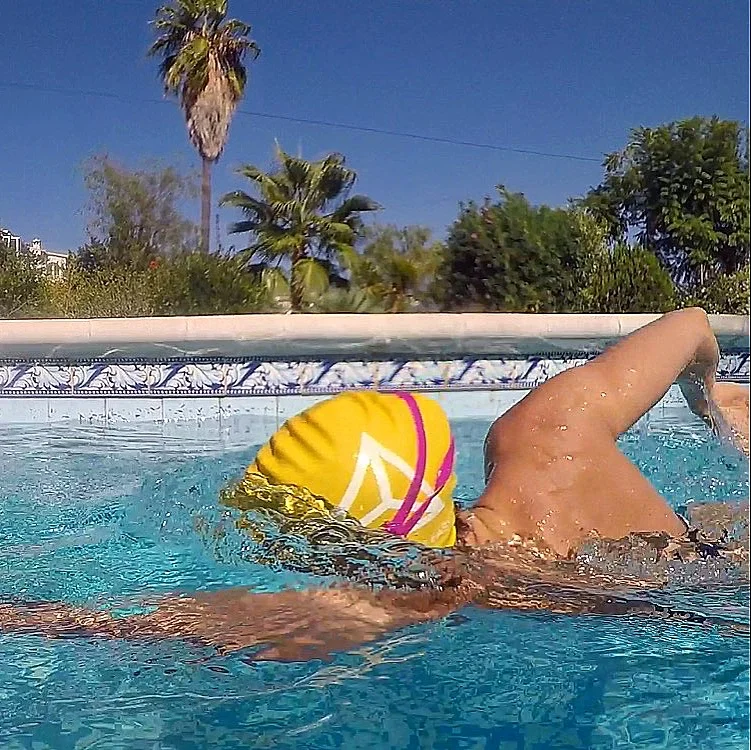
Technique! An efficient swim means there'll be less drag and resistance against the water, helping you to glide through the water faster. Get yourself a teacher or a coach who can take a look at your stroke. It's all about streamlining in the water.
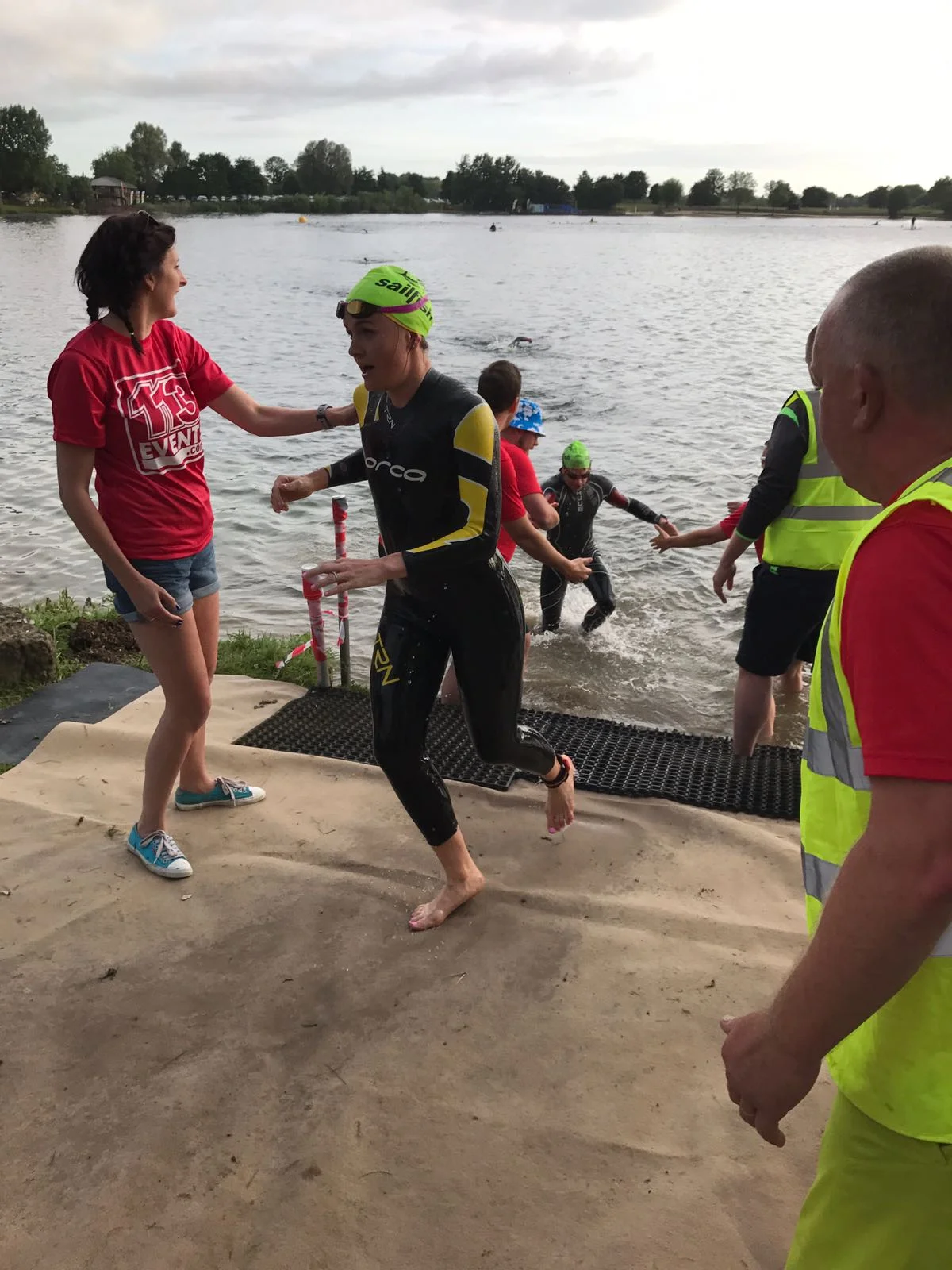
Open water swim - If your triathlon is in open water, you must practise swimming at least a few times in open water, in a wetsuit. Wetsuits are super tight, so you want to get used to the sensation of swimming in one. They are often tighter than you would expect them to be. It's also good for you to practise in colder temperatures so your body adapts. Unless you are swimming in tranquil transparent water, the majority of open water swims will be visually restricted, often only being able to see a meter ahead of you. Also try practicing 'sighting', this is where you pick landmark/buoy to focus on and keep swimming towards this. To avoid swimming in the wrong direction!
2. Bike -
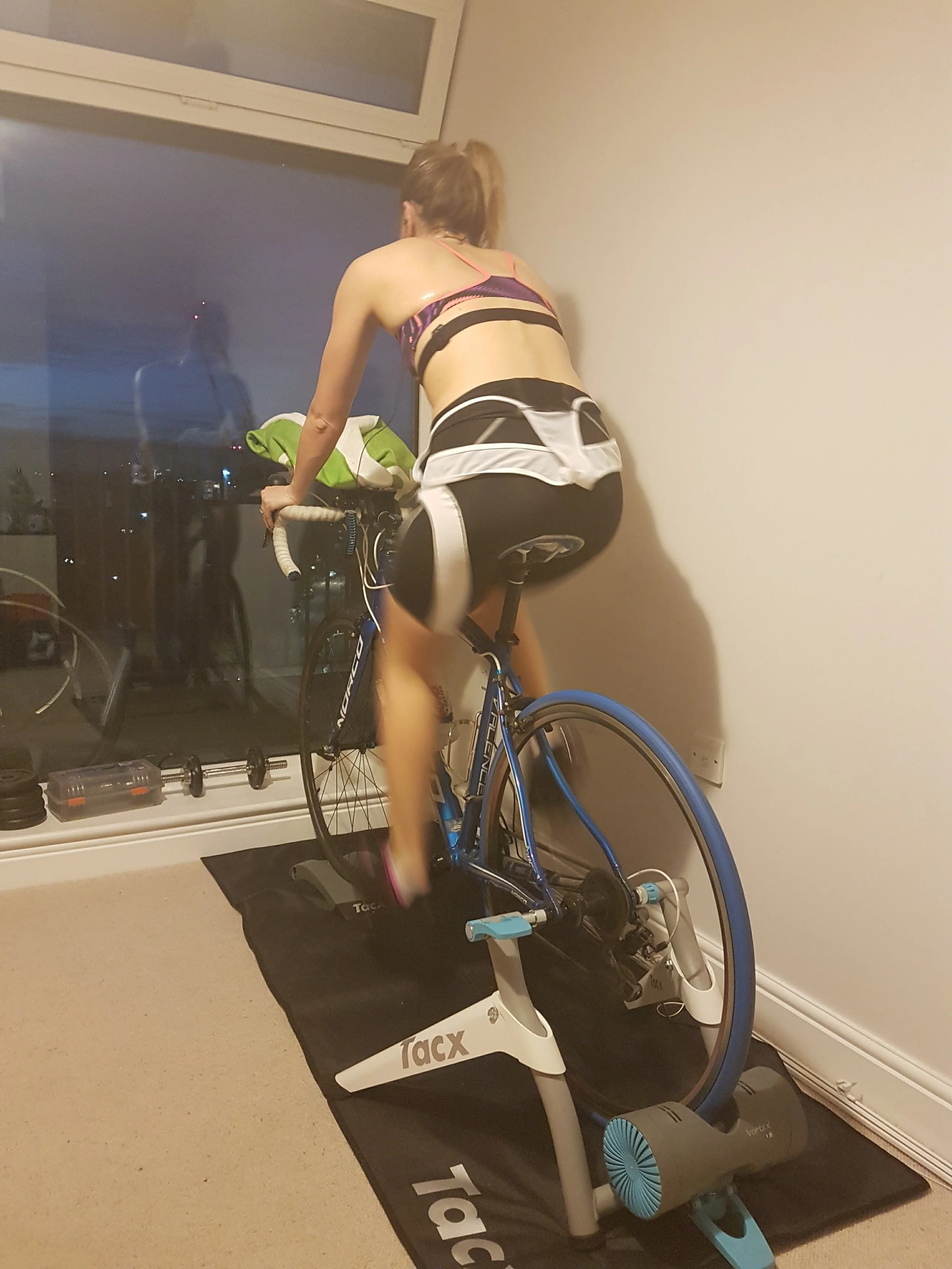
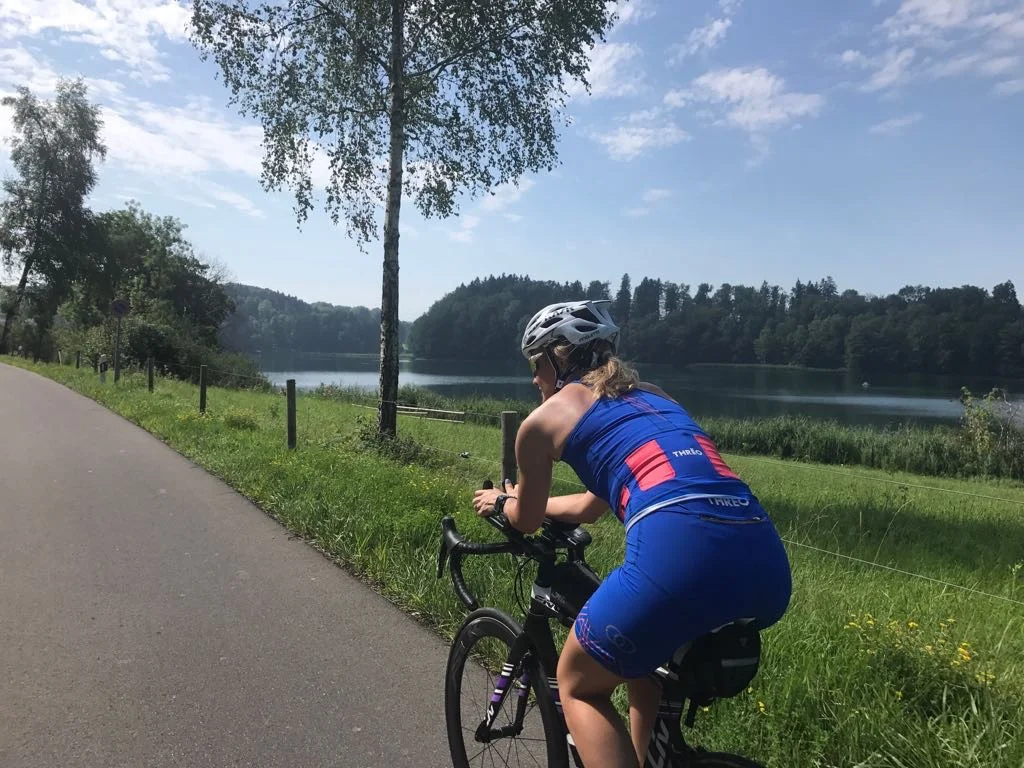
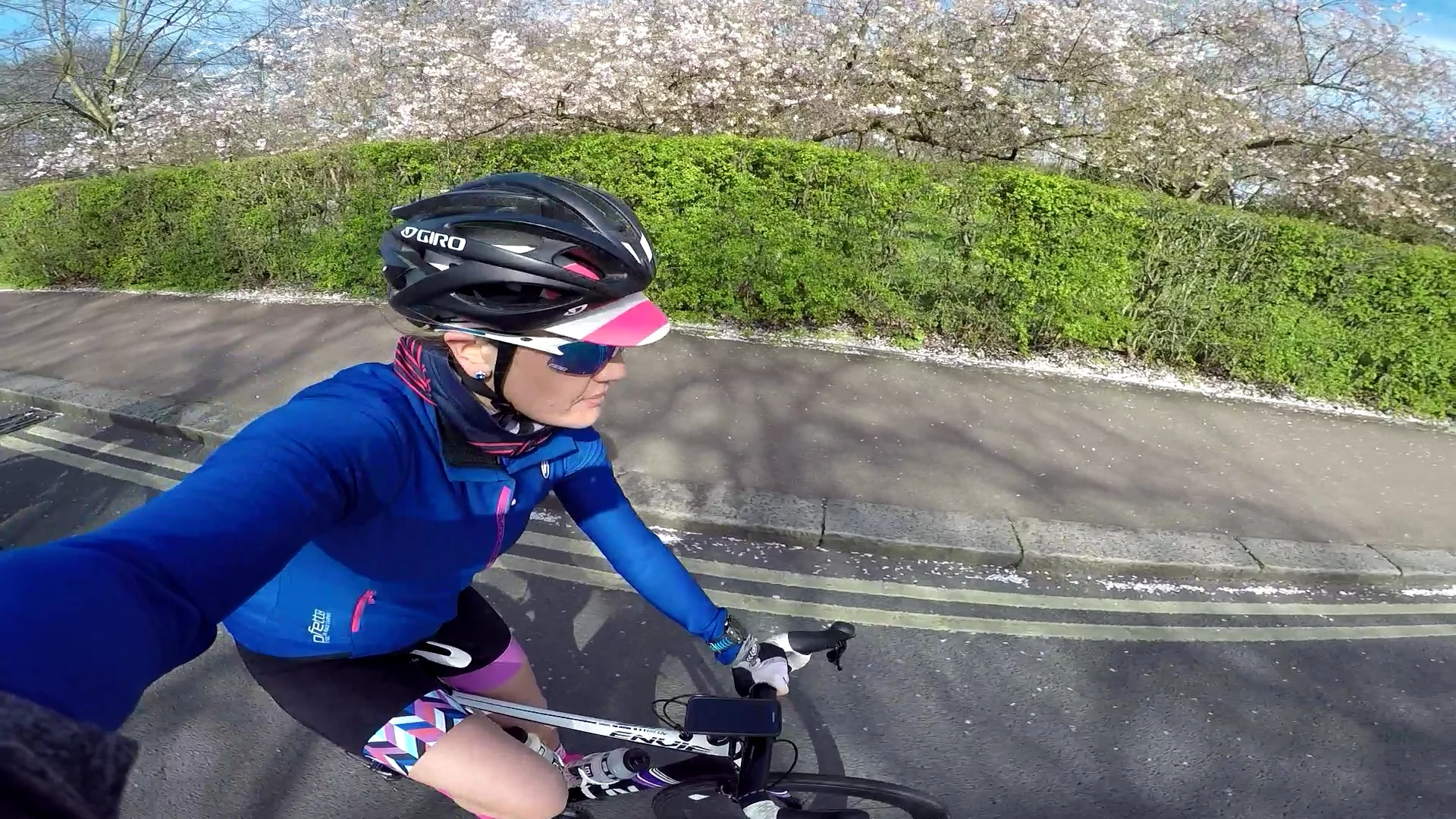
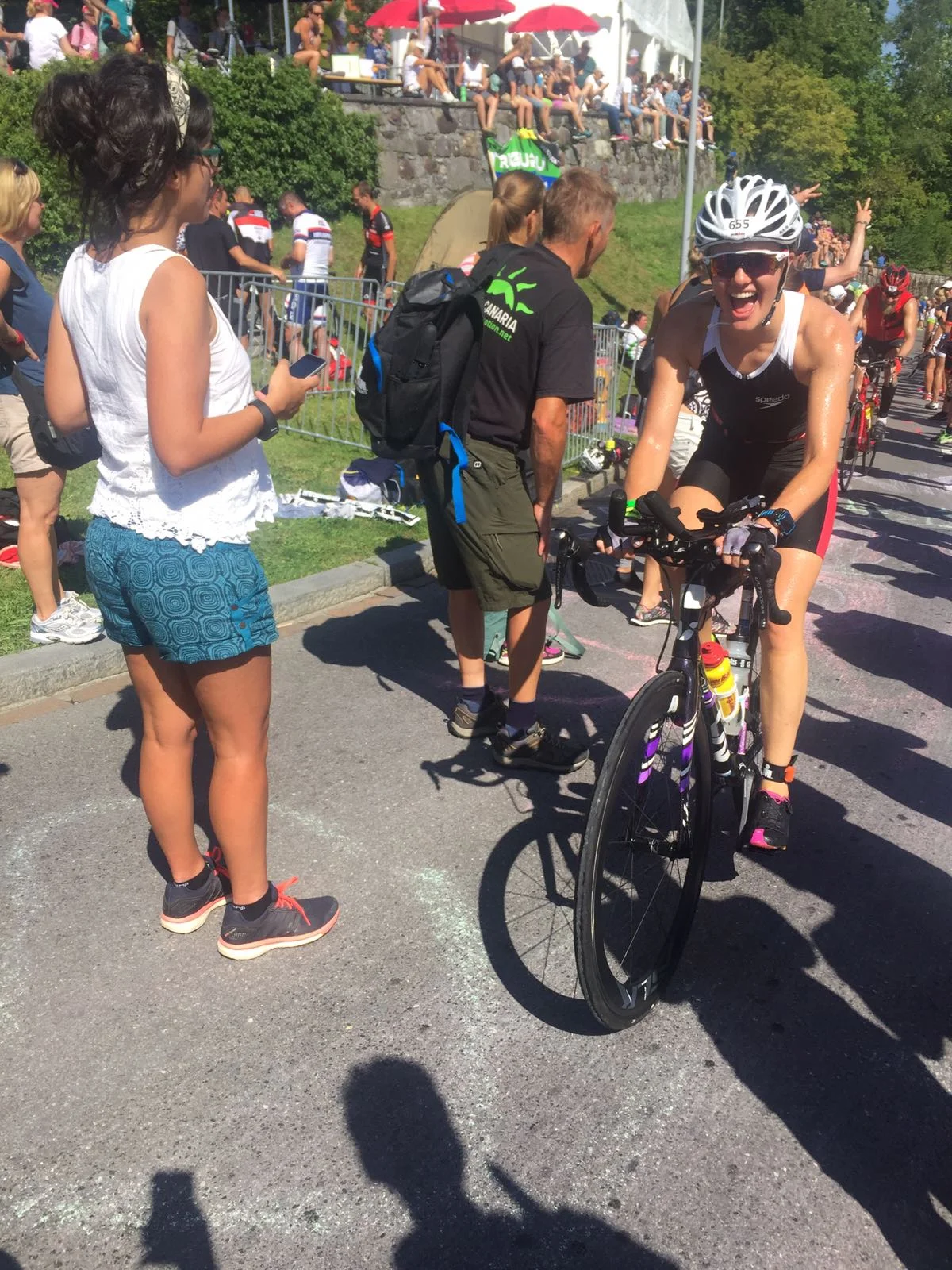
Clip in - Cycling with clip ins really make your speed much more efficient and will really help you to cycle up those hills. If you haven't cycled in them before, then do practice before you head out onto the roads. Almost everyone will fall off when they are crawling to a stop at least once, so don't worry too much if you do. Dust yourself off and jump back on!
Spares - Always remember spares, on your training rides AND during the triathlon. You don't want to cut your race short with a puncture and not be able to change the tyre. On that note, make sure you practice changing a tyre before race day.
Vary intensity/include hill training - If you want to improve and get stronger on the bike definitely include a few hills or sprints. I'd recommend Kent as it's full of beautiful but some grueling hills. It's these that will make you stronger.
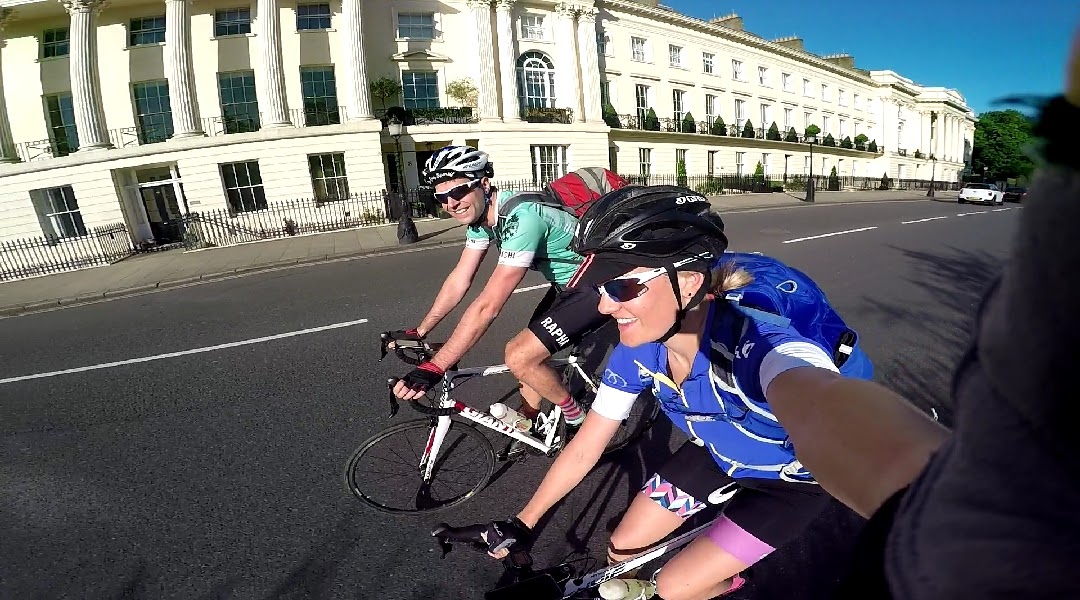
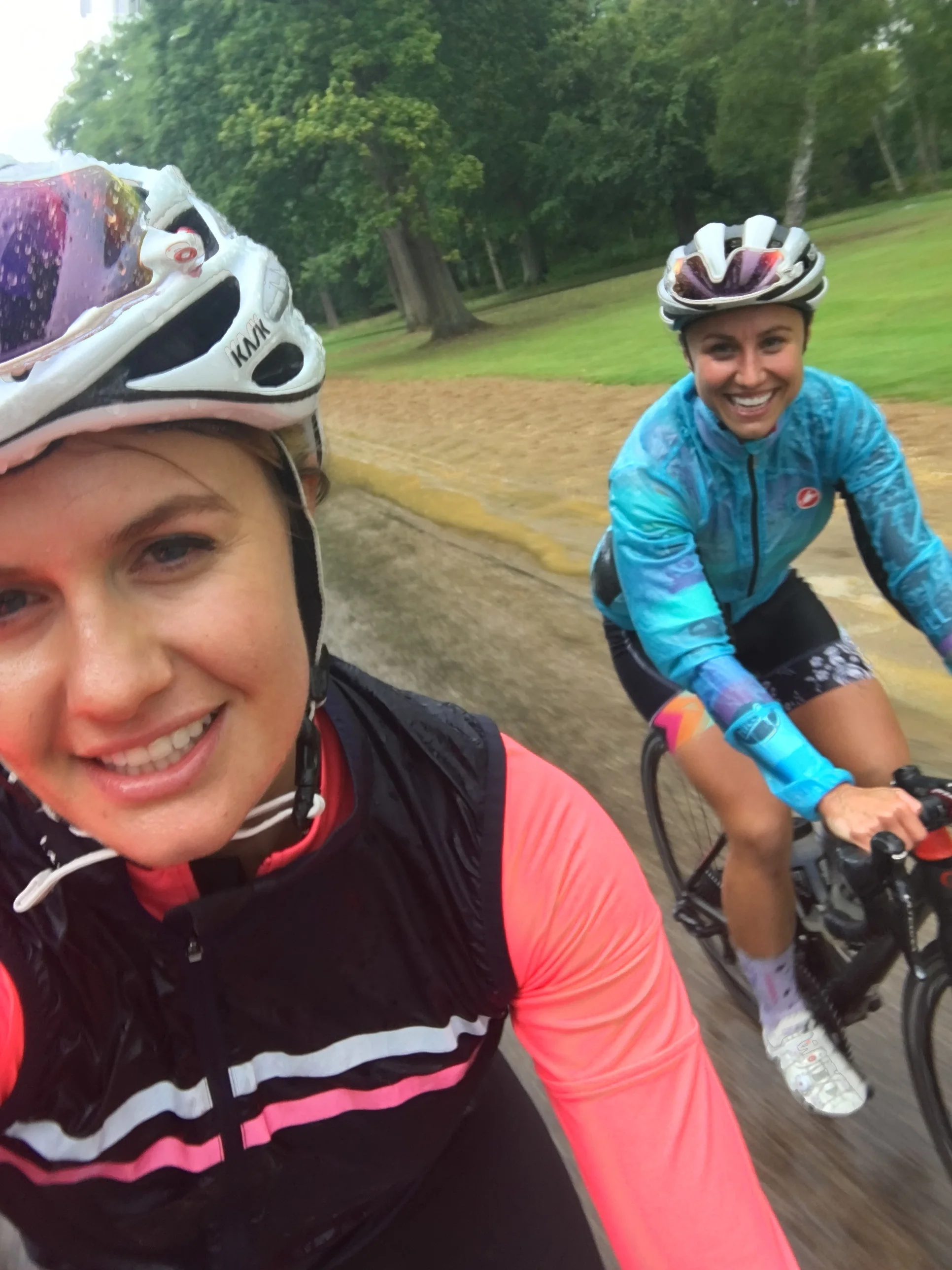
Join a club or friends for a ride - Riding is a hugely sociable sport, I love gossiping with the girls on a ride. Also great to stop for coffee and cake with others on a ride. Remember, you're doing a triathlon because you want to, enjoy it as much as possible.
3. Run
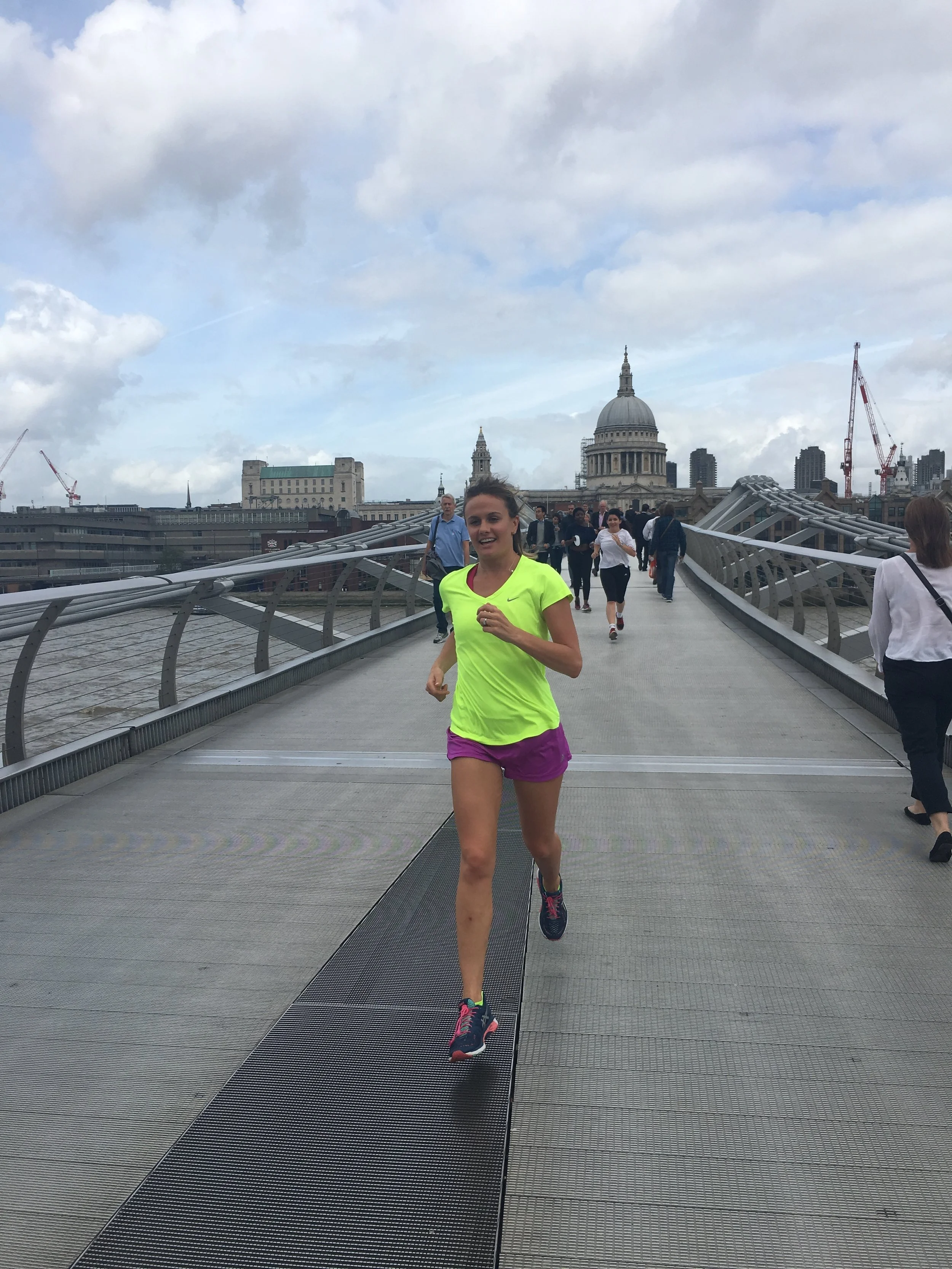
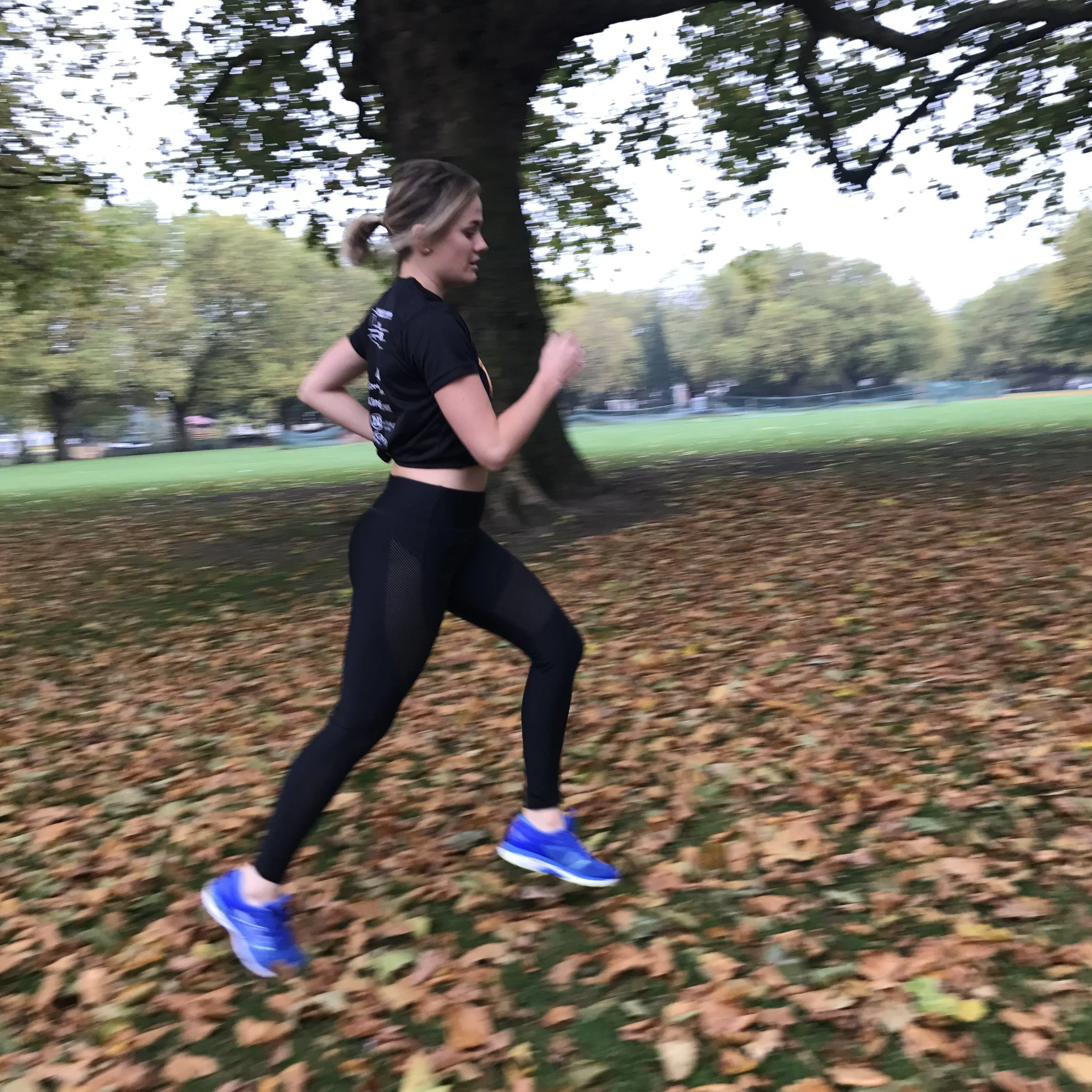
Gait Analysis - Gait analysis is essential to avoid injury. You are filmed running, then your running style is analysed such as how your foot lands on the floor, looking out for any pronation. Based on this you will be recommended a running trainer fit for your style and given a few technique tips.
Join a club or run with friends - Again, running is also a sociable sport so definitely take advantage. It's also worth joining coached sessions to help get your technique tweaked.
Vary intensity/include hill training - Again like on the bike, if you want to improve and get stronger on the bike definitely include a few hills or sprints.
Increase distance slowly - As a rule of thumb, increase the distance of your weekly long run by 10% each week.
Stretch & Foam Roll - Running is a high impact sport. I can't emphasise more, how runners are very susceptible to injury if you don't stretch and foam roll. Get into your IT band with the foam roller. Make sure you hold each stretch for at least 30 seconds.

4. Brick
This is a training session where you follow one sport, by the other such as running after a cycling session (also can be swim - bike). This is key to practice weekly to get your legs used to that 'lead' feeling off the bike. A quick tip here is to change into a lower gear nearer the end of your ride, so you are spinning your legs around in a light gear so prepare your legs for the run. Try to keep to a 3-minute change over between each sport to get the best out of the brick session.
5. Strength & Conditioning
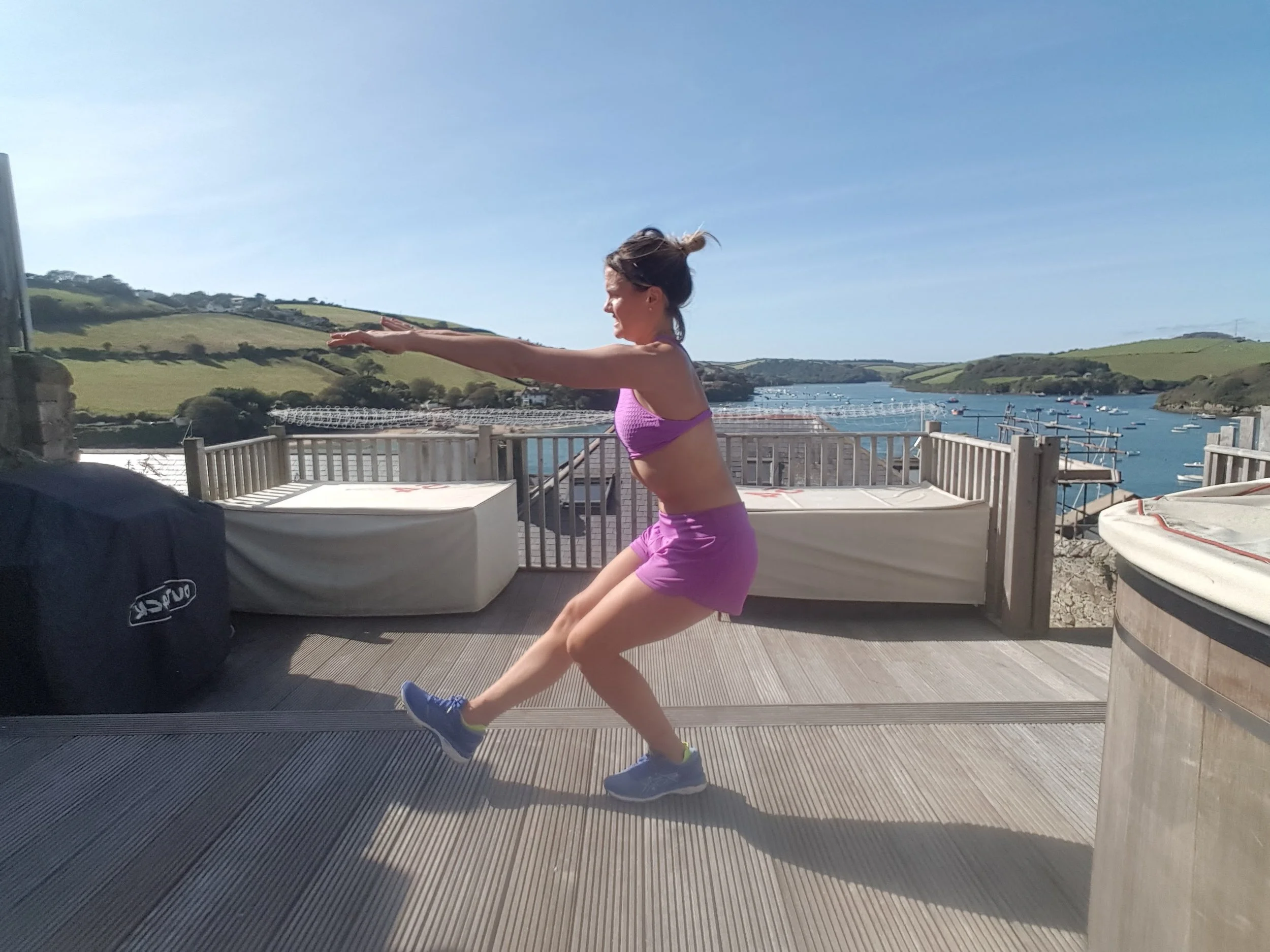
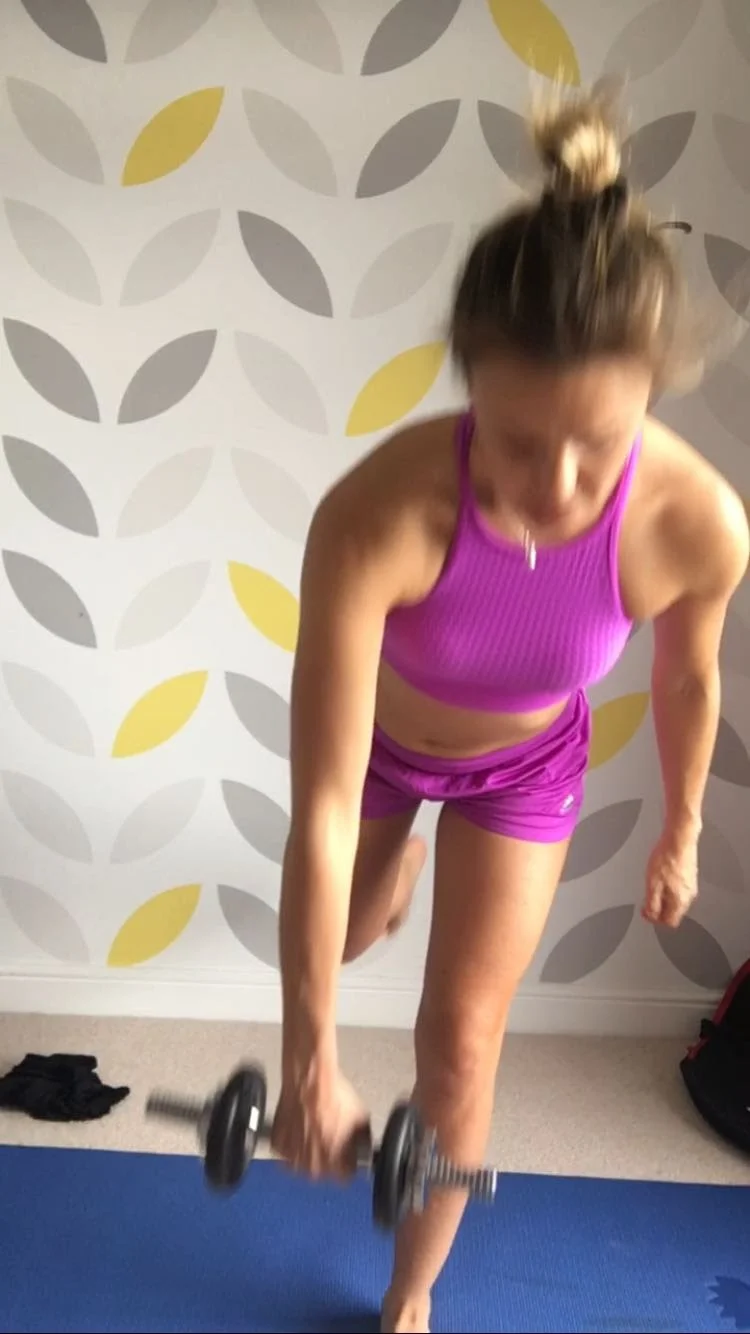
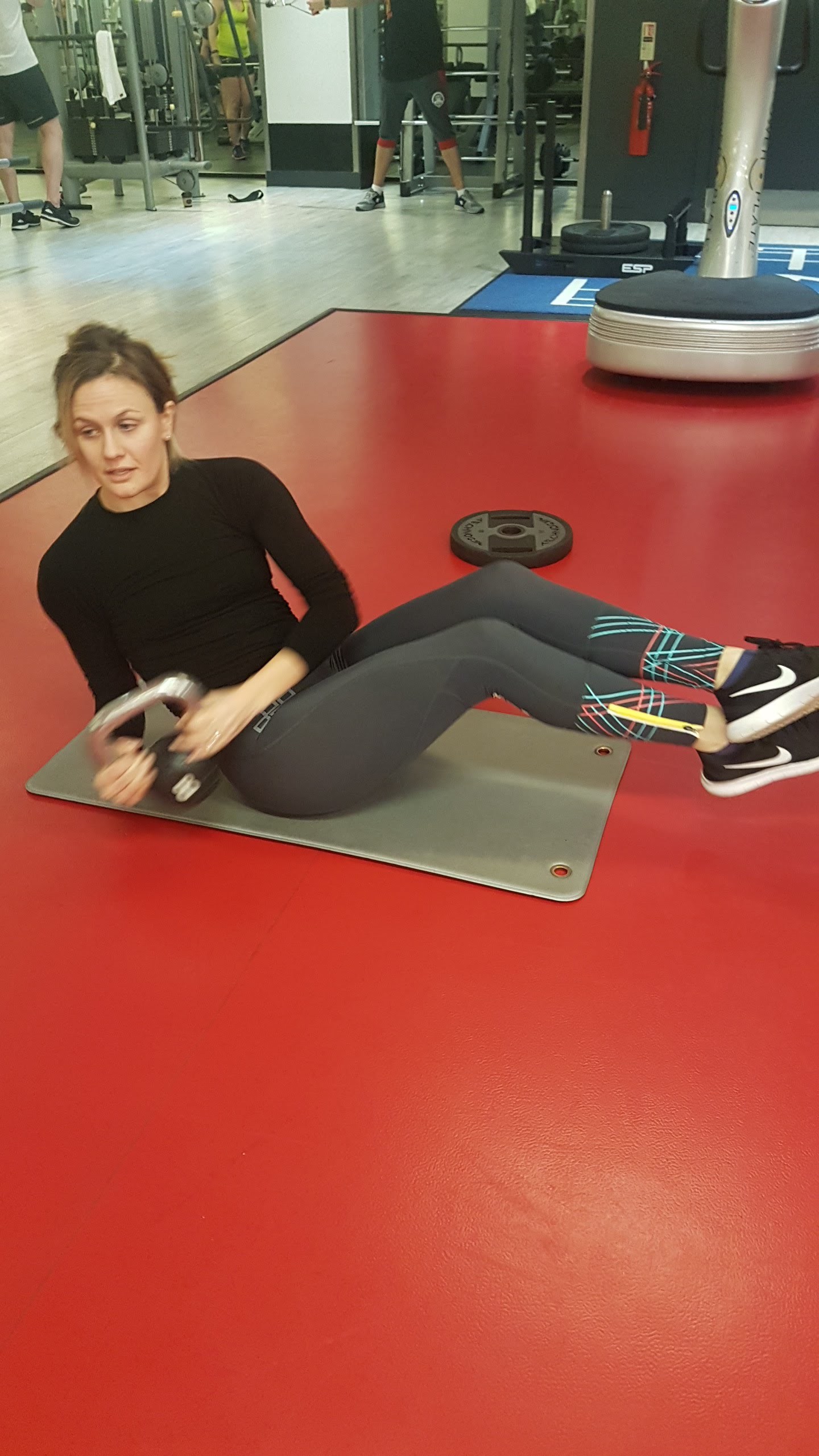
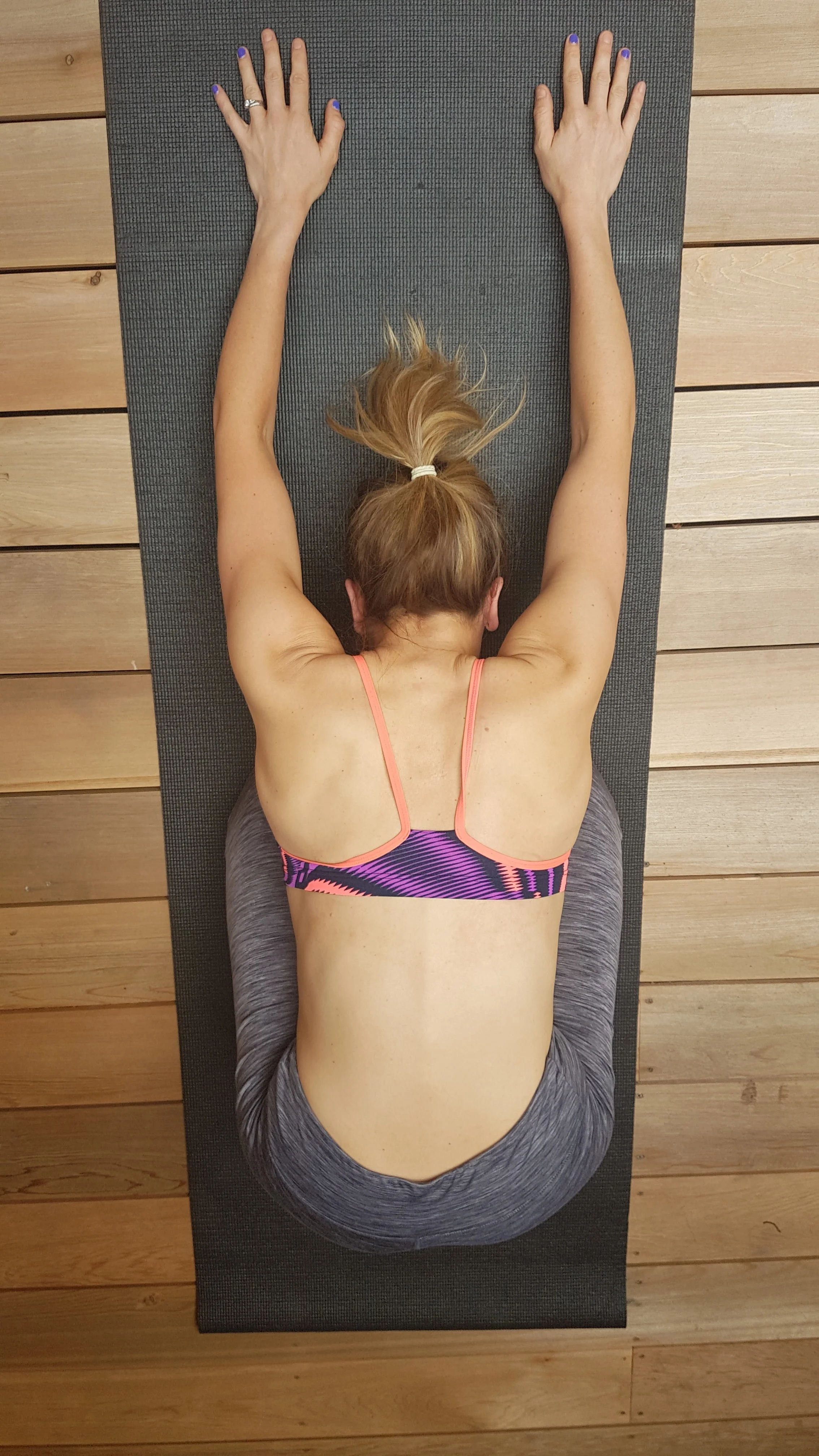
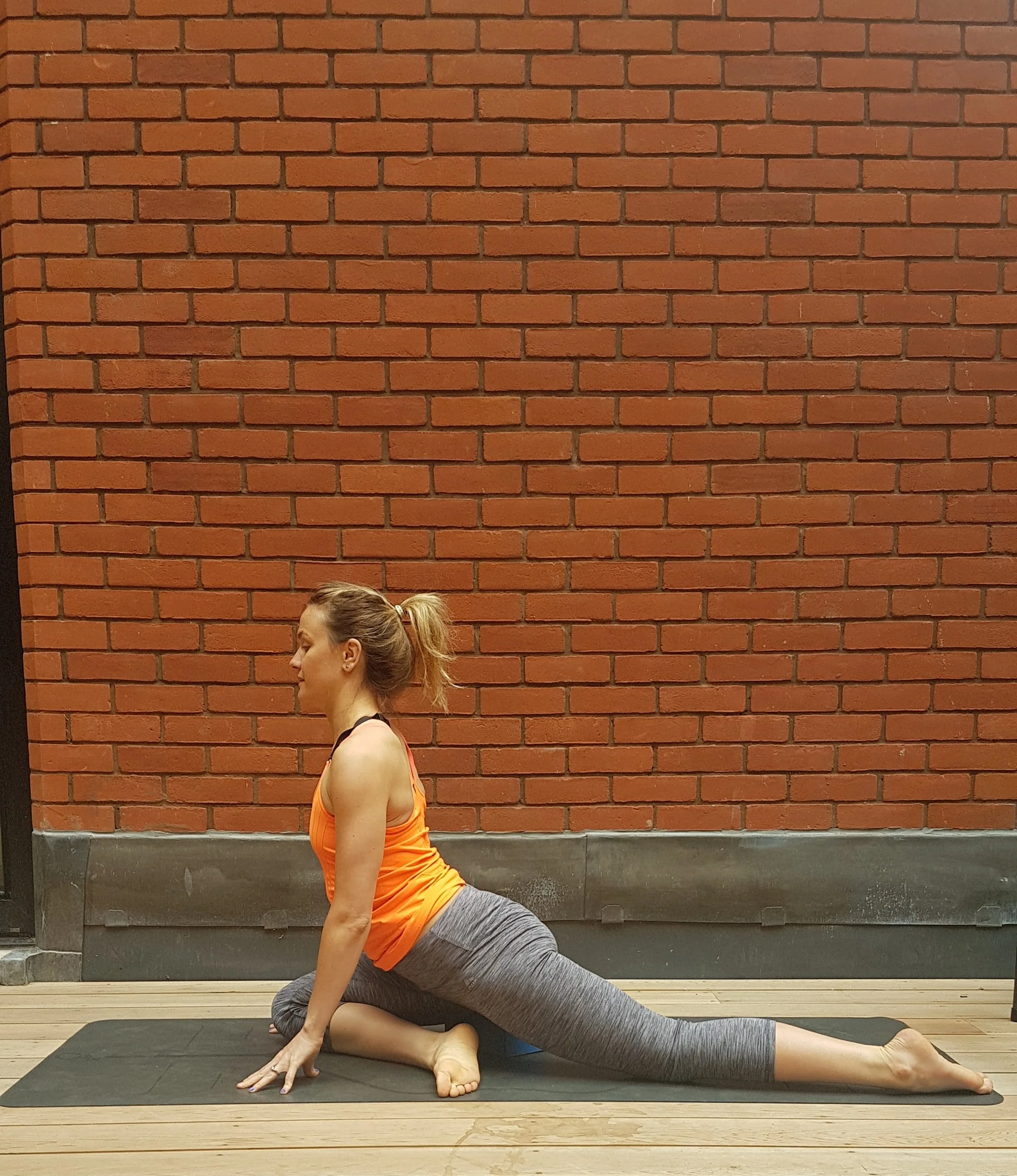
To avoid injury, keep your back and joints supported. I'd highly recommend a couple of strength sessions each week that includes core and leg strength (lunges, squats, leg press, planks). Get in touch if you'd like some recommendations as I am a qualified PT and love to include strength sessions every week. By conditioning I mean yoga, stretching and foam rolling. This is something that is over looked regularly, often triathletes will miss stretching at the end of a training sessions for extra miles or time in the bank. But honestly, your body is more susceptible to injuries if you don't stretch all muscles that have been worked. Foam rolling has been recommended by my physio, to release tension and knots in muscles.

6. Rest & Recovery
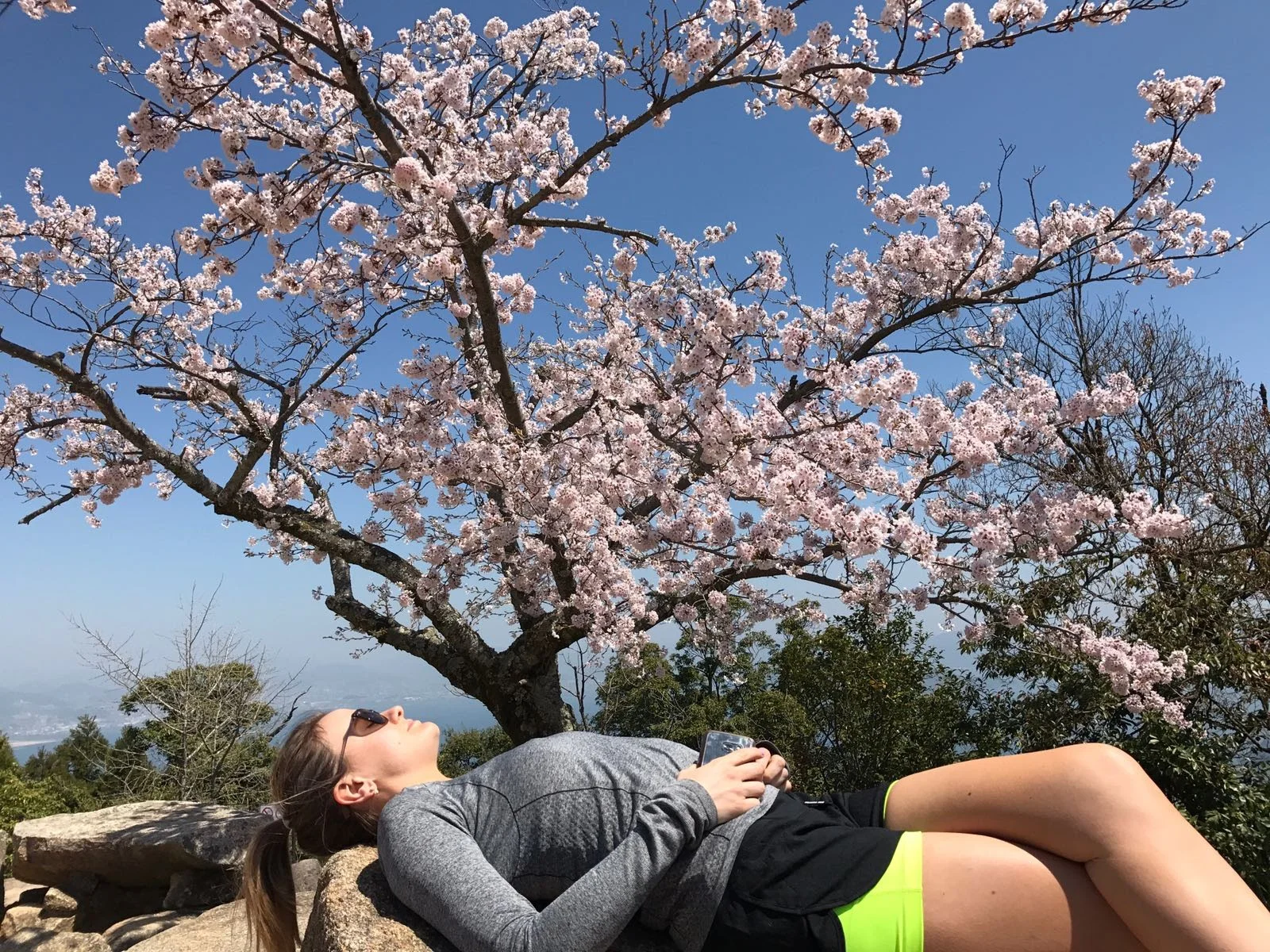
When you train, you stress your body. You then need to refuel and rest for the adaptations to happen to your body where you'll get stronger. Without rest days or recovering properly from training sessions your body doesn't have the chance to adapt. Your immune system takes a beating when training too, so without recovering you are more susceptible to get ill. Triathletes often forget to implement rest into their schedule. Make sure you have at least 1 recovery day per week.
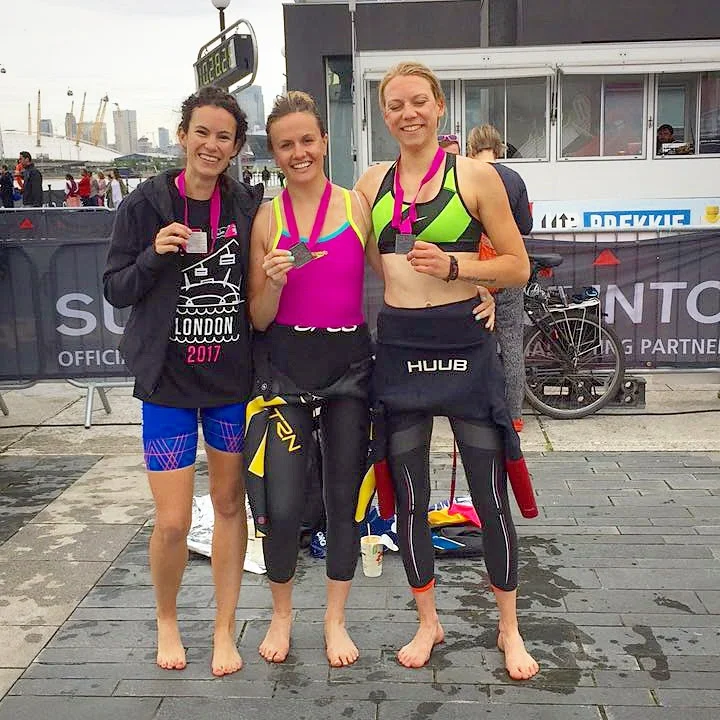
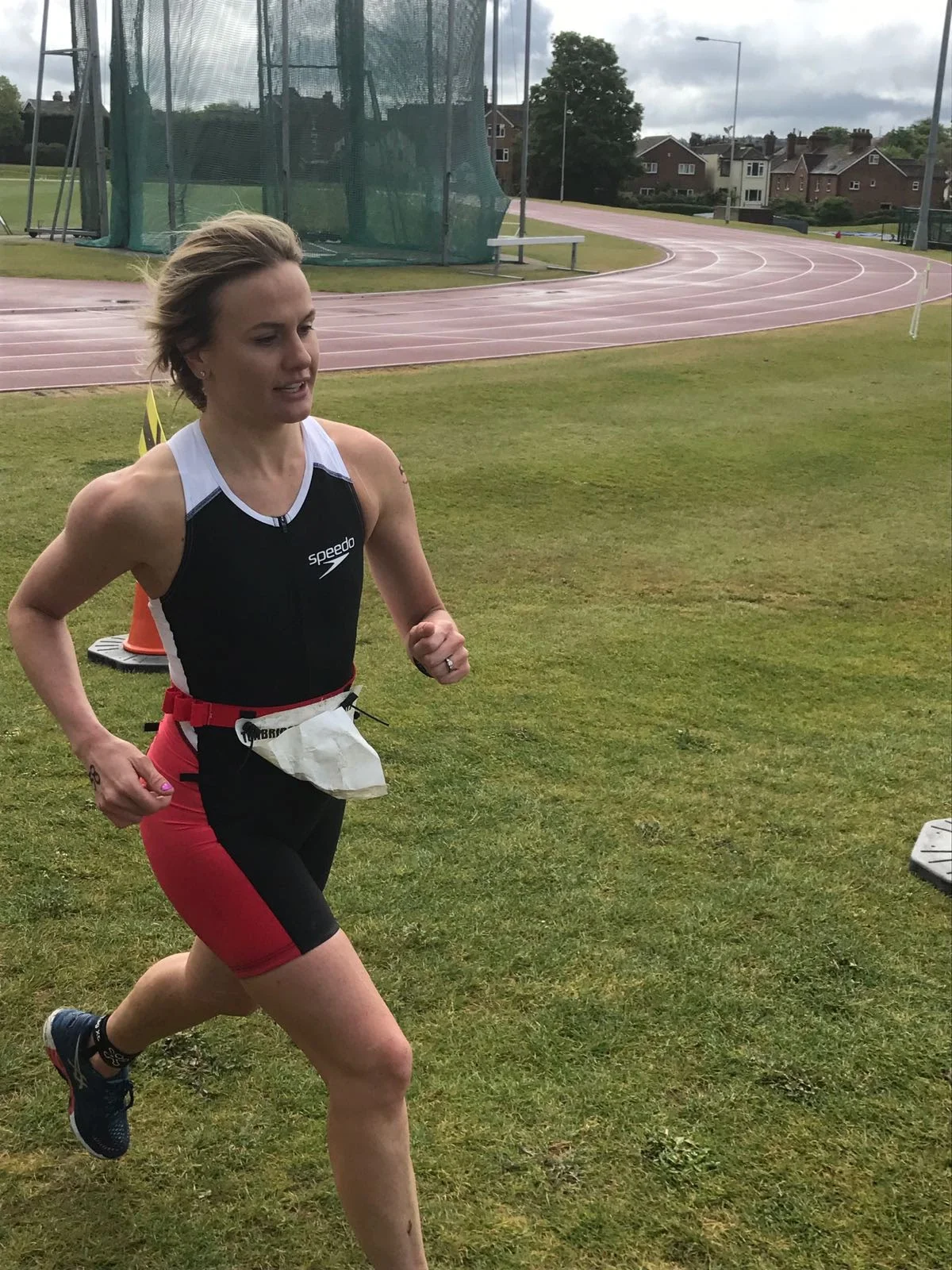
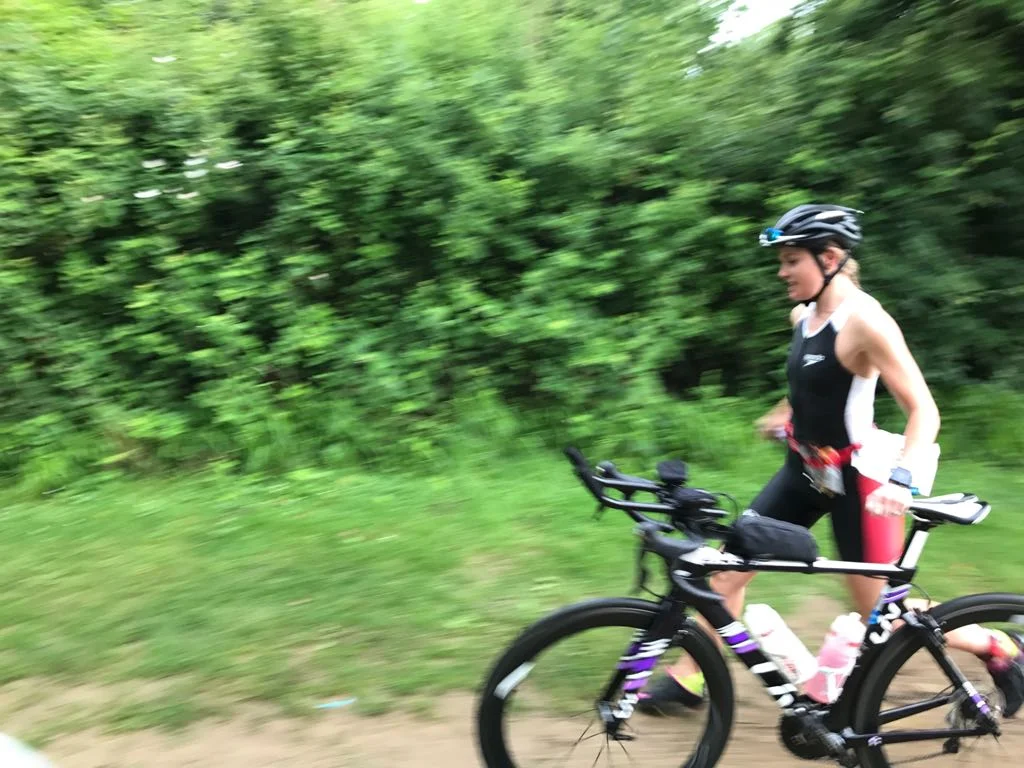
Thank you to Nick the store owner at Giant Camden, the Liv ambassadors Amy and Sandra for being so welcoming. Thank you also to everyone else that attended. I hope you found it useful! Any questions please contact me over Instagram or by email.
Alice x