Postpartum Running
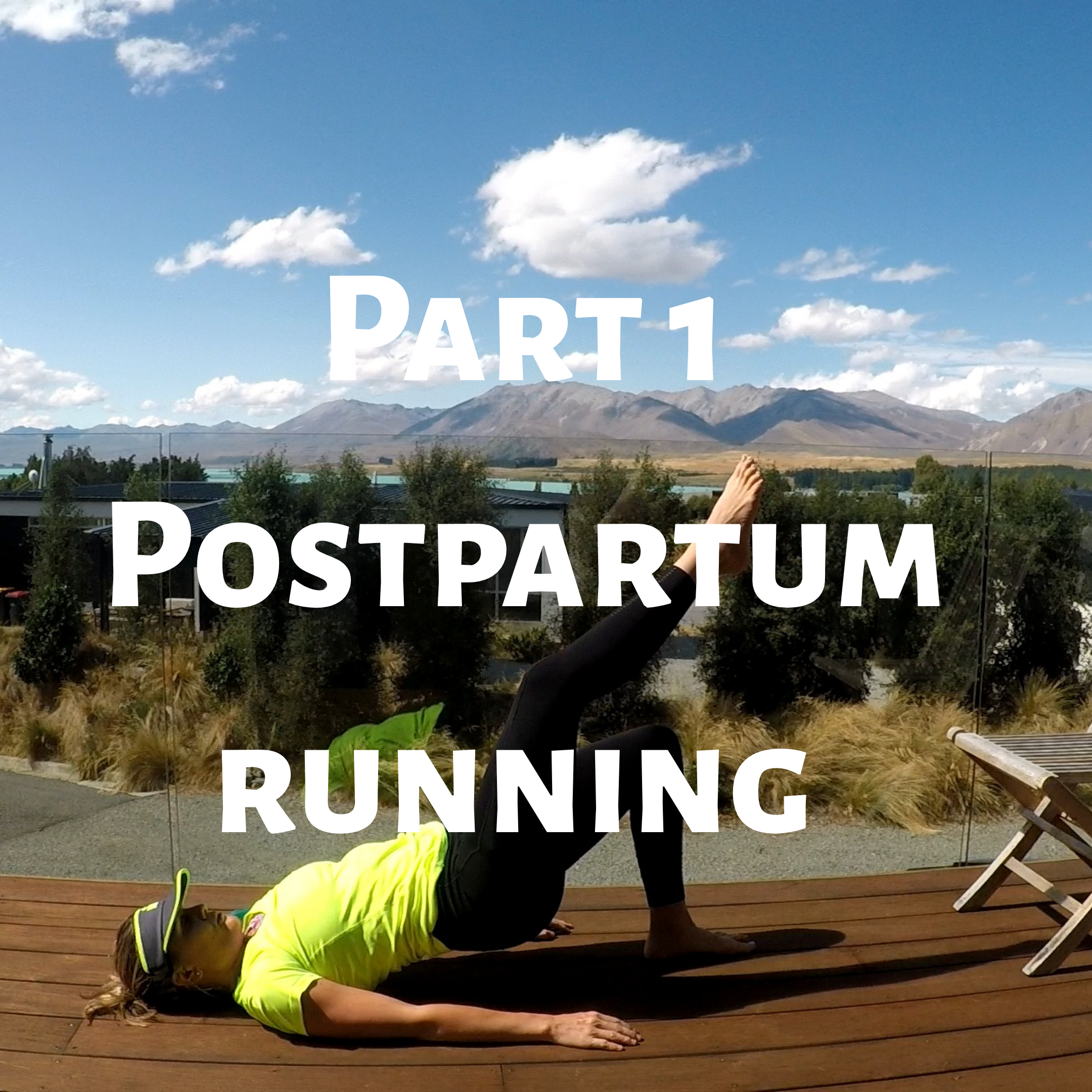
Part 1
Back to running postpartum - tried and tested a new mum and triathlon coach
As a new Mum 6 month post natal and training myself back to run and triathlon fit , I wanted to share information from qualified women’s health physios & my experience as a qualified Pre and Post Natal PT on how to rehab back to running, safely & correctly with no long lasting injuries.
.
Remember every pregnancy, birth and recovery is different. I began properly running around 12-14 weeks postpartum and after a few women health physios and rehabing slowly. New studies recommend waiting for 12-16 weeks ONLY if you meet prerequisites s my journey and yours will be different too.
. ➡️ Rest, rest and rest! Give yourself time to recover from birth, get used to life with a new baby, time to bond with your baby. Go easy and even though you may want to jump back to exercise it's best to do slowly, listening to your body and a womens health physio
➡️See a women's health physio for a full check up and guidance. They will check your abdominal separation, do a full internal check on how your pelvic floor is recovering, posture and movement. Everything internally has shifted from pregnancy to make way for the baby. This takes time to recover.
➡️Focus on rehabbing and reconnecting your breath with pelvic floor & core.
➡️Follow a gentle progressive post partum S&C programme specific to running. Balance, core and reconnecting that breath with your pelvic floor and core is key here.
➡️Key S&C exercises when building up to running is working on your posture, movements, balance and stability. Build up core exercises slowly, without holding breath and avoid bracing exercises such as planks and crunches.
➡️Remember you aren't starting where you left off, your core, pelvic floor and body has been through 9 months worth of changes, with the trauma of giving birth at the end.
.
Remember - you need to rehab your body and slowly train towards getting back to running, a high impact sport. Each foot strike takes about 3 x your body weight. After 9 months and birth this is a lot to put your body through. Take your time and enjoy this time with your new baby.

Part 2
Is your postpartum body ready to get back to running?
Running is a high impact sport placing a lot of demand on your body, each heel strike can be up to 3 x your body weight.
.
To be run ready, your body needs time to heal and regain its strength, mobility and correct movements after having a baby. For this reason an initial low impact exercise 0-3 months time line followed by return to running between 3-6 months postnatal would be recommended.
.
Here are some prerequisites to getting back to running:
➡️At least 3 months post partum, with previous rehab work, working on PF exercises, balance & stability (more of these the come)
➡️Adequate pelvic strength (see a women's health physio who can measure your PF strength).
➡️No pelvic floor symptoms such as leakages during everyday daily life (laughing, walking, sneezing) or exercising
➡️No other aches pains dragging or incontinence
➡️Sufficient single leg stability & balance
➡️Reconnecting your breathing with core and pelvic floor. See a women's health physio or Pre and Post Natal PT who can advise on correct breathing
➡️Pelvic or lower back pain
➡️Ongoing blood loss past 8 weeks postpartum
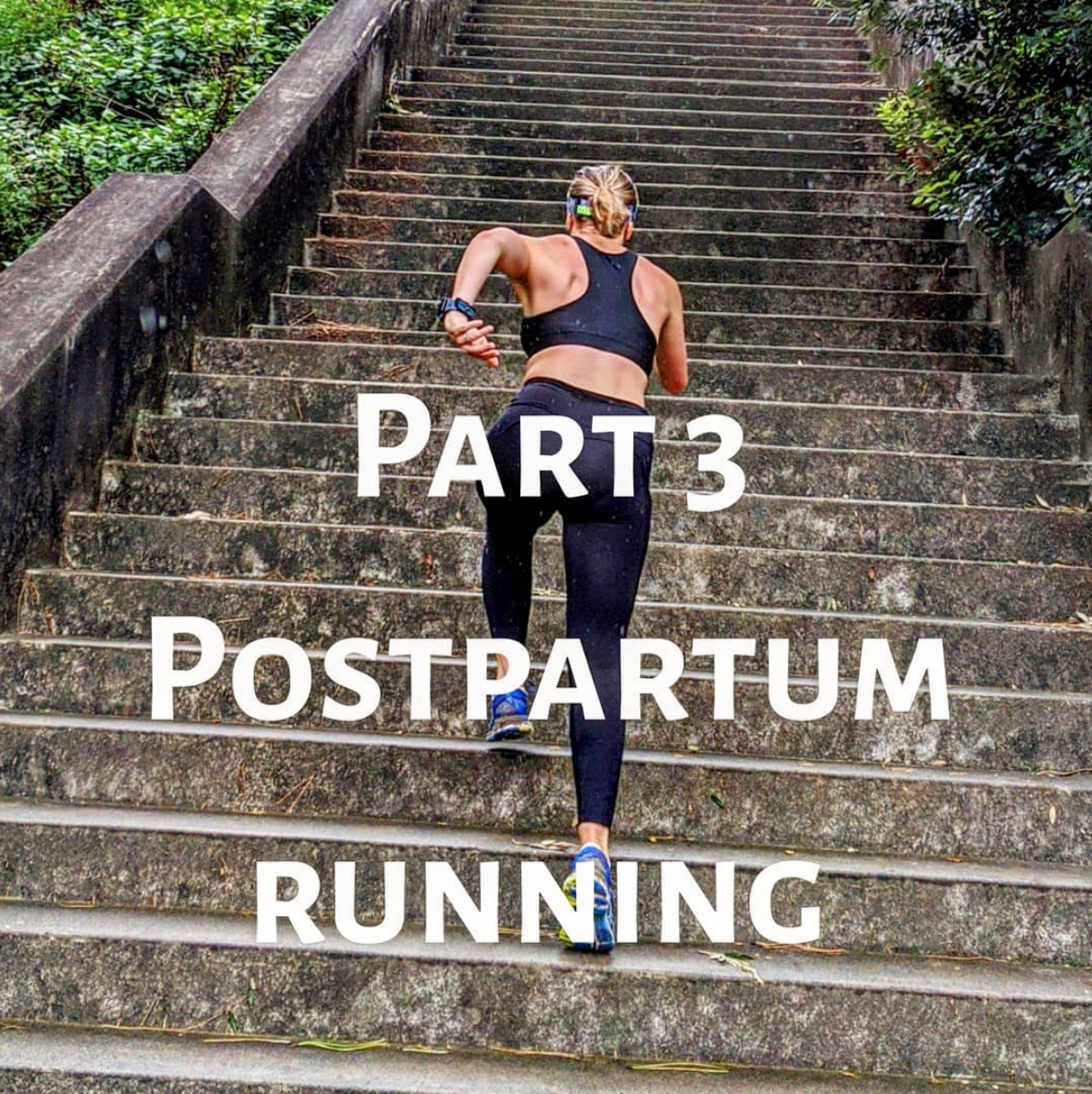
Part 3
Preparing your postpartum body for the impact of running
To safely understand if your body is then ideally:
.
1) Seek guidance from a women's health physio to advise on your current pelvic floor health and function
2) Followed a rehab programme to rehab core, pelvic floor to prepare the body for running
3) Preparing key running muscle groups for running.
.
A good test is each that key running muscles are prepared for running is to perform the following movements performed up to 20 times:
➡️20 Single leg calf raise
➡️20 Single leg bridge
➡️20 Single leg sit to stand
➡️20 Side lying abduction
.⚠️Remember, weaknesses & imbalances shows where work needs to be done/strengthened but does not mean a barrier to begin running..
.
As mentioned in previous posts, women's health physio's now recommend a return to running no sooner than 3 months postnatal or beyond this if any symptoms of pelvic floor dysfunction.
.
⚠️They key with rehab is reconnecting diaphragm breathing, core & pelvic floor during any movement or exercise. The 'release/relax' stage is just as important as the engage part.
.
🏃♀️Exercises examples - With all exercise on the relax part, relax your PF. During the 'work phase' for instance pushing up to standing position. These are just examples however to understand which exercises will benefit you the most definitely see a post natal PT or women's health physio .
➡️Toe taps (core)
➡️ Glute bridge (glutes & core)
➡️ Lying diaphragm breathing to reconnect breath, core & pelvic floor that need to work together to all function properly.
➡️ BW squats
➡️ Straight arm pulldown
.
My personal experience is my core feels a little strained when I started to run again so I followed a gentle core and running s&c programme which entailed body weight exercises. Ensuring these are combined with proper diaphragm breathing. My pelvic floor is a bit on the other side and over active so I am practising the "relaxed" phase to avoid over gripping with my core and pelvic floor.
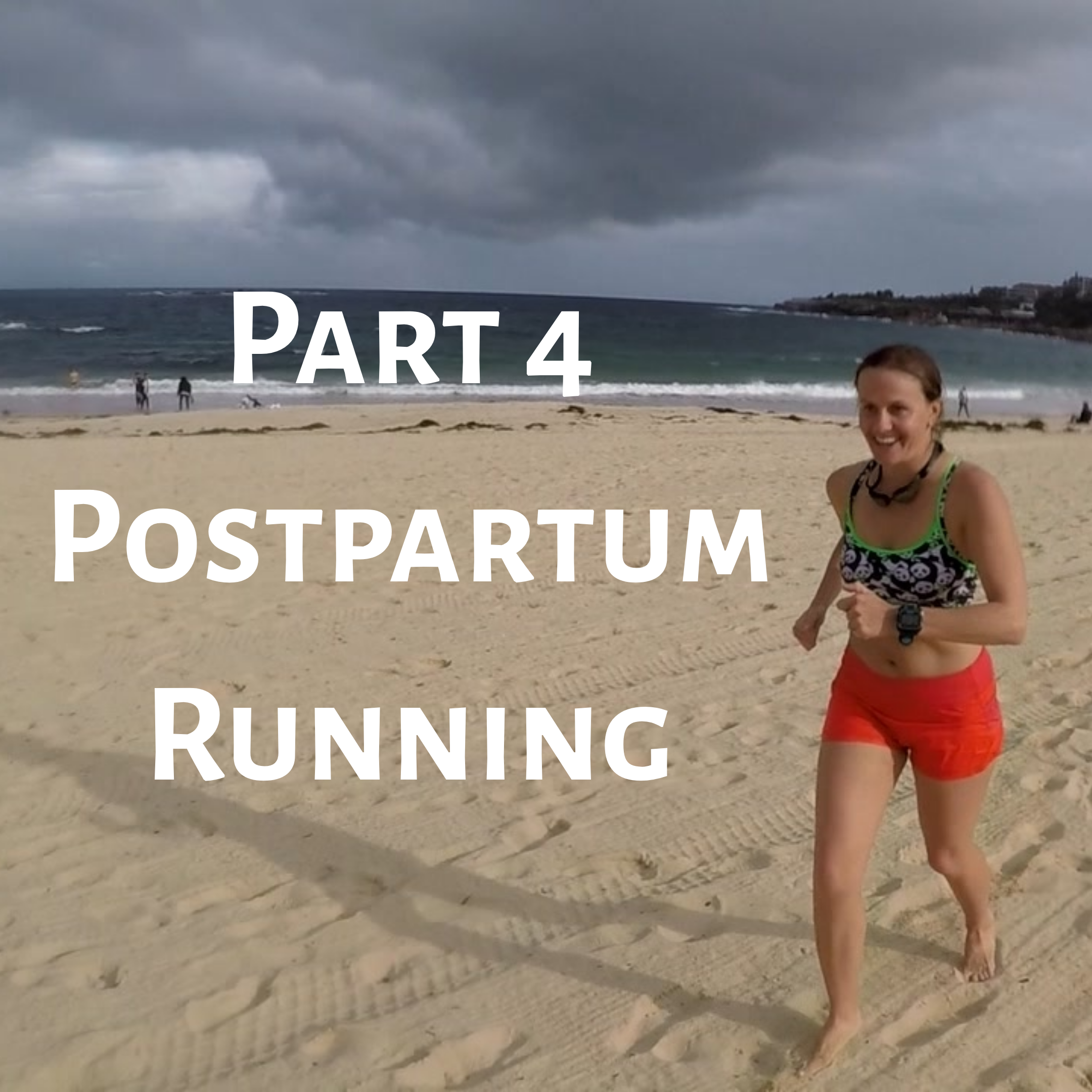
Part 4
Introducing running, progressing slowly & safely.
Okay so you've done all your strength work, pelvic floor, rehab and ideally seen a women's health physio. How do you get back to running?
➡️It's Sensible to start small, often with around 1 to 2 minutes of running at an easy pace, followed by walking. Don't just head out for a 3km/5km run straight away, its about progressing slowly with the time or distance of your running.
➡️Be Realistic - Don't expect to start where you left off before pregnancy
➡️Be sensible & build awareness of your body. If your body shows any post natal symptoms however big or small don't push through, it may do longer term damage.
➡️ Many post natal ladies follow Couch to 5km plans recommended no matter where you left off.
➡️Setting short-term goals, such as reaching a target distance, time or race. These goals will positively influence training progression.
➡️For performance goals such as a race worth seeking advise and training plan from a running coach.
➡️Risk factors for injury need to be identified and addressed and, when present, a more
cautious return to running with a lower starting point and graded progression is
➡️Build volume before building intensity
➡️Don't increase anymore than 10% volume each week
➡️Monitor symptoms & signs during running such as Heaviness, dragging, incontinence.
➡️Include walk breaks regularly
Good luck with your postnatal journey, take care of your body, don’t push yourself too hard, take time to rest. And if you need any guidance or remote training please click below to get in touch with me.